BPOM registration in Indonesia
BPOM is Indonesia’s food and drug authority, and almost anything you eat, drink, take, or put on your body needs a BPOM marketing authorization before it can be imported or sold. We classify the product, hold the license through our local entity or yours, and run the registration end to end.












































What BPOM is, and why you register
BPOM, the Badan Pengawas Obat dan Makanan, is Indonesia’s National Agency of Drug and Food Control, the country’s equivalent of an FDA. It oversees the registration of food, drugs, cosmetics, supplements, and traditional medicines, and a product cannot be legally imported or sold until BPOM has issued its marketing authorization number, the NIE, or for cosmetics the NA.
That number is not just a formality. Customs will not release a shipment without a valid number tied to the product, e-commerce platforms such as Shopee and Tokopedia require BPOM verification for an official brand store, and the BPOM mark is something Indonesian shoppers actively look for before they buy.
The registration types under BPOM
Each kind of product gets its own registration, its own number, and its own validity.
| Registration type | Number begins with | Valid for |
|---|---|---|
| Processed food and beverages | MD (local) or ML (imported) | 5 years |
| Cosmetics (notification) | NA | 3 years |
| Health supplements | SD (local) or SI (imported) | 5 years |
| Traditional medicine and herbal | TR, TI, or HT | 5 years |
| Drugs and pharmaceuticals | NIE (Nomor Izin Edar) | 5 years |
MD and ML stand for Makanan Dalam, made in Indonesia, and Makanan Luar, imported. Cosmetics are notified rather than fully registered, which is why they carry an NA number rather than an NIE.
Products that require BPOM registration
If it is ingested, applied to the body, or makes a health claim, it needs a BPOM number.
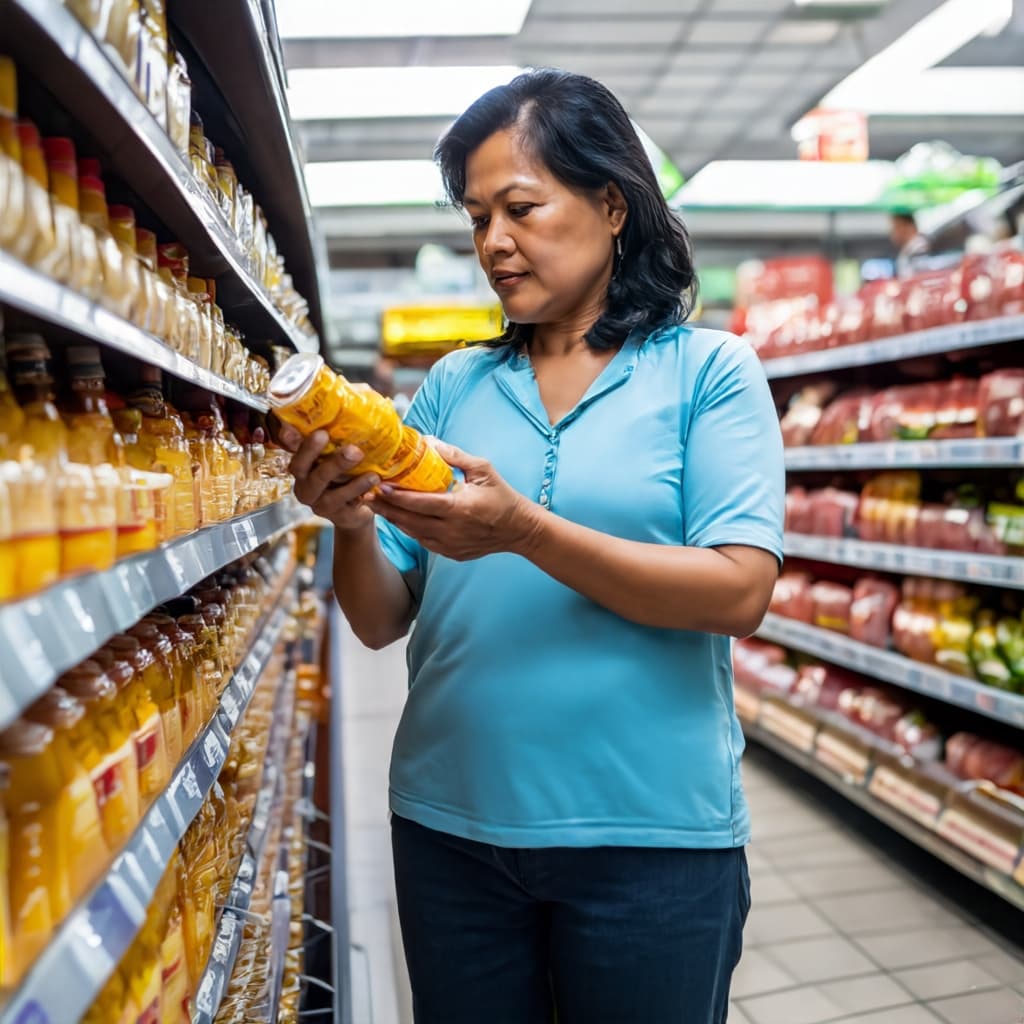
Processed food and beverages
Packaged, processed food and drink, MD for local and ML for imported. Frozen meals, snacks, dairy, bottled water, and seasonings.

Cosmetics
Anything applied to the body to cleanse, beautify, or alter appearance. Skincare, make-up, perfume, and hair products, notified for an NA number.

Health supplements
Vitamins, minerals, and herbal preparations, including jamu, that carry a health-related claim.

Pharmaceuticals and traditional medicine
Over-the-counter and prescription drugs, and registered traditional medicines.
A foreign company cannot register directly
Every BPOM registration must be filed by an Indonesian entity, which becomes the license holder. A foreign company has three routes to that, and whoever files holds the NIE.
Your own PT PMA
Set up a foreign-owned company and register through it. Full control, but it adds the time and cost of forming a company first.
An Indonesian distributor
Appoint a distributor as the applicant. Quick, but it ties the registration to that distributor, so switching later means re-registering.
An independent representative
Register through a neutral local representative, such as Emerhub. The license stays in your control and your distribution stays free to change.
Documents for a BPOM registration
We can act as your independent representative through our importer service, or register through your own entity. Talk to our team about which route fits your plans.
The core dossier, plus what imported food adds on top.
Core dossier
- Product composition and specifications
- Manufacturing flow or process
- Free Sale Certificate from the country of origin
- GMP certificate
- Product labels and artwork
- Documents translated into Indonesian by a sworn translator, and apostilled
- Physical product samples for laboratory testing, especially for food and traditional medicine
Added for imported food (ML)
- Appointment Letter from the manufacturer
- Health Certificate from the country of origin
How we handle the registration
Five stages, from the first label review to your NIE.
Step 1 — Compliance audit
We review your ingredients, labels, and claims against BPOM standards before anything is submitted, so issues are caught early.
Step 2 — Entity or representative setup
We register through your own local entity, or act as your representative through our importer service, to hold the license.
Step 3 — Account registration
We set up your company profile in the official BPOM e-registration system.
Step 4 — Product submission
We manage the full submission, including the laboratory coordination and the technical document uploads.
Step 5 — Final approval
We track the evaluation, answer BPOM’s clarifications, and see it through to your NIE or NA number.
What sits alongside the registration
Halal certification runs alongside BPOM, not within it. It is issued by a separate body, BPJPH, under Indonesia’s Halal Product Assurance Law. It is already mandatory for food and beverages from medium and large businesses, and in October 2026 the government announced that the deadline for imported products, cosmetics, supplements, and traditional medicines will move to 17 October 2028, once the amending regulation is issued. Products with animal-derived ingredients or alcohol draw particular scrutiny, and anything not certified halal has to carry a non-halal label. Because halal certification can take several months, it is best started in parallel with the BPOM registration rather than after it.
On validity, a food or drug registration runs for five years and a cosmetic notification for three. Each flavour and variant is registered in its own right, so a product range is a set of registrations, and a change to a product’s formulation means a new registration rather than an edit to the existing one.
BPOM registration questions
What foreign brands entering Indonesia ask most.
What is the difference between ML and MD registration?
MD, Makanan Dalam, is for food produced in Indonesia. ML, Makanan Luar, is for imported food. ML needs extra documents, an appointment letter from the manufacturer and a health certificate from the country of origin.
Can a foreign company register with BPOM directly?
No. The registration must be filed by an Indonesian entity, which holds the license. You register through your own PT PMA, an Indonesian distributor, or an independent local representative such as Emerhub.
Is halal certification mandatory for BPOM registration?
Halal is a separate certification from BPJPH, not part of the BPOM number itself, but it is mandatory for food and beverages from medium and large businesses, and cosmetics, supplements, and traditional medicines are set to follow on 17 October 2028. We recommend pursuing both in parallel.
Do I need to send physical samples to Indonesia?
Often, yes. For many categories, especially food and traditional medicine, BPOM requires physical samples for laboratory testing to confirm the product matches the certificate of analysis in the dossier.
Can I use one registration for several flavours or variants?
No. Each flavour and variant is registered separately, so a product range means a set of registrations rather than a single one covering them all.
What happens if I change my formulation?
A change to the formulation is treated as a new product, so it needs a fresh registration rather than an amendment to the existing one. Minor label or packaging changes are handled differently.
How long is a BPOM registration valid?
A food or drug registration lasts five years, and a cosmetic notification three. Renew before the registration expires to keep the product on sale without a gap.
Talk to our Indonesia team
Tell us the product and where it is made. Our Jakarta team will classify it, hold the license through our local entity or yours, and run the BPOM registration through to your NIE or NA number.
RT.7/RW.2, Kuningan
Jakarta 12950, Indonesia