Allowed on a C5A
- Producing social-media content during the visit — creator projects and brand collaborations.
- Social-first photography or video made for that content.
- Extending the stay up to 180 days for the approved content work.
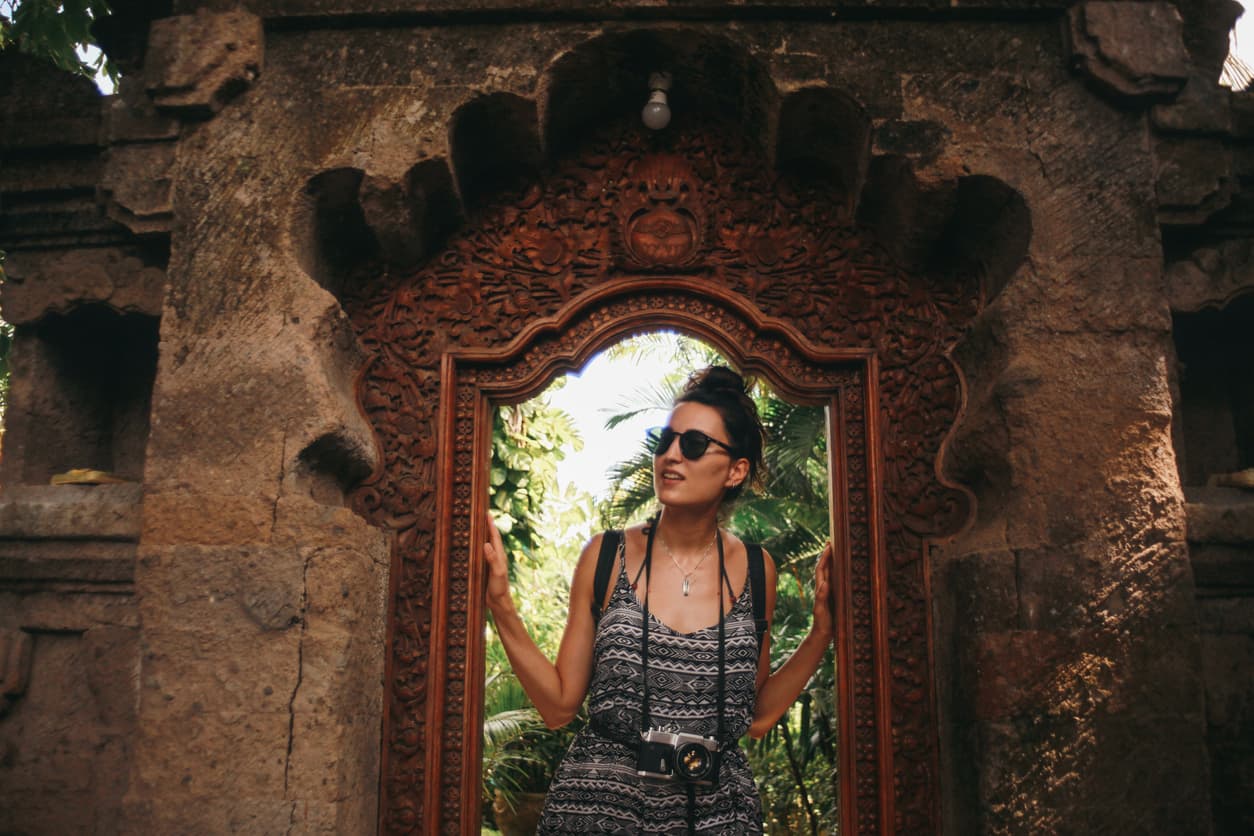
Indonesia now has a visa for social-media content creators. The C5A covers creator projects and brand collaborations during a defined visit — activities not allowed by a tourist visa.
The C5A is Indonesia’s visit visa for producing social-media content during a defined visit. It can cover creator projects, brand collaborations, and social-first photography or video when the proposed activity stays within the C5A classification.
It works like the other Index C visit visas. Single entry, a 60-day stay on arrival, extendable twice for 60 days each at the immigration office, up to 180 days in total. The application is filed online before travel — processing runs about two to four weeks — and it needs an Indonesian guarantor, which is the role we take for our clients.
The C5A covers social-media content within defined limits. It is not blanket permission for any paid media work — final classification depends on the actual project, payer, and deliverables, not the applicant’s job title. We confirm the payer, client, deliverables, and production format before filing.
The C5A exists because Indonesia redrew the line on creator activity. Immigration now treats any activity with economic value as work, whether or not money changes hands. A tourist visa or visa on arrival permits none of it. That puts all of the following outside a tourist visa:
Officials have said directly that claiming the content wasn’t monetised doesn’t get a visitor off the hook. Holiday photos and personal posts remain fine. The line sits where a business benefits or value is exchanged.
In April 2026, Bali’s immigration office launched the Dharma Dewata patrol task force — around one hundred officers running routine checks through the creator hubs: Canggu, Ubud, Seminyak, Kerobokan, and Uluwatu. The unit also monitors social media to identify violations, so a sponsored reel or a tagged brand collaboration posted from a tourist visa is itself evidence.
The numbers say how seriously this is being applied. The task force detained 62 foreigners in its first three weeks. In the first three and a half months of 2026, Bali immigration deported 165 foreign nationals and detained dozens more — among them DJs, yoga instructors, and a makeup artist working without the right permit. Nationally, immigration logged 6,779 enforcement actions involving foreigners between January and early May.
The C5A is one of several routes. The right one depends on the payer, the production type, and how long you stay.
| Situation | Likely route | Important boundary |
|---|---|---|
| Social-media content project during a defined visit | C5A | Must stay social-media content and comply with the restrictions on Indonesian-sourced remuneration |
| Press reporting, news coverage, or journalistic production | C5 | Requires the media/press route and relevant permissions |
| Film, television, advertising production, or another shoot requiring a filming permit | C14 | Requires the filmmaking/production route and applicable permits |
| Remote work for a foreign employer, with no Indonesian clients or income | E33G | Intended for continuing foreign employment rather than a local campaign |
| Continuing employment or contracted work for an Indonesian business | E23 Work KITAS | Requires an Indonesian employer, work authorization, and sponsorship |
Performing is its own category again: a DJ set or live show needs the C7A performer visa, separate from content work.
The application is filed online before travel and follows the standard visit visa requirements.
We act as your guarantor, prepare the file, submit it, and keep the application consistent with what you’ll actually shoot, so the visa matches the work and holds up if anyone asks.
We act as your Indonesian guarantor, prepare the file to match the content work you name, and have the visa ready before you travel.
What creators ask before a Bali trip in 2026.
Indonesia’s visit visa for foreign influencers, YouTubers, and social-media creators producing social-media content during a visit. It allows a 60-day stay, extendable twice to 180 days, and is applied for online before travel.
No. Sponsored posts and brand collaborations count as work, and tourist visas allow none of it. Immigration monitors social media, and the post itself can be the evidence. The C5A is the visa for social-media content — within its limits, including no remuneration from an Indonesian individual or company.
That’s work. Immigration treats any exchange of value as a commercial arrangement, money or not. A free stay, retreat, or meal in return for content puts you outside a tourist visa just as a paid deal would.
Yes. Bali immigration deported 165 foreigners in the first three and a half months of 2026 across visa violations, and the Dharma Dewata task force detained 62 in its first three weeks alone, including creators and freelancers working on tourist visas. Penalties have included multi-year and permanent entry bans.
Personal holiday content on your own account is fine on a tourist visa. The line is economic value: once a brand, hotel, or client benefits, or you receive anything in exchange, the content becomes work. If your channel is monetised and the trip produces social-media content for a brand or client, the safe answer is the C5A — within its limits.
The E33G covers working remotely for foreign employers and clients with no Indonesian income or deals, for up to a year. The C5A covers social-media content produced during a visit, subject to its limits — including no remuneration from an Indonesian individual or company. A creator filming Bali content under contract with a foreign company sits closer to the E33G; one producing social-media content during a defined visit uses the C5A.
Roughly two to four weeks when filed from outside Indonesia, so it needs planning before the trip rather than after arrival. File well ahead of any locked shoot dates or campaign deadlines.
The C5A is straightforward when the work is real and the documents line up. Tell us what you’re coming to shoot, who you’re shooting it for, and roughly when — we sit on the guarantor side, file the application, and keep it consistent with the actual brief.