
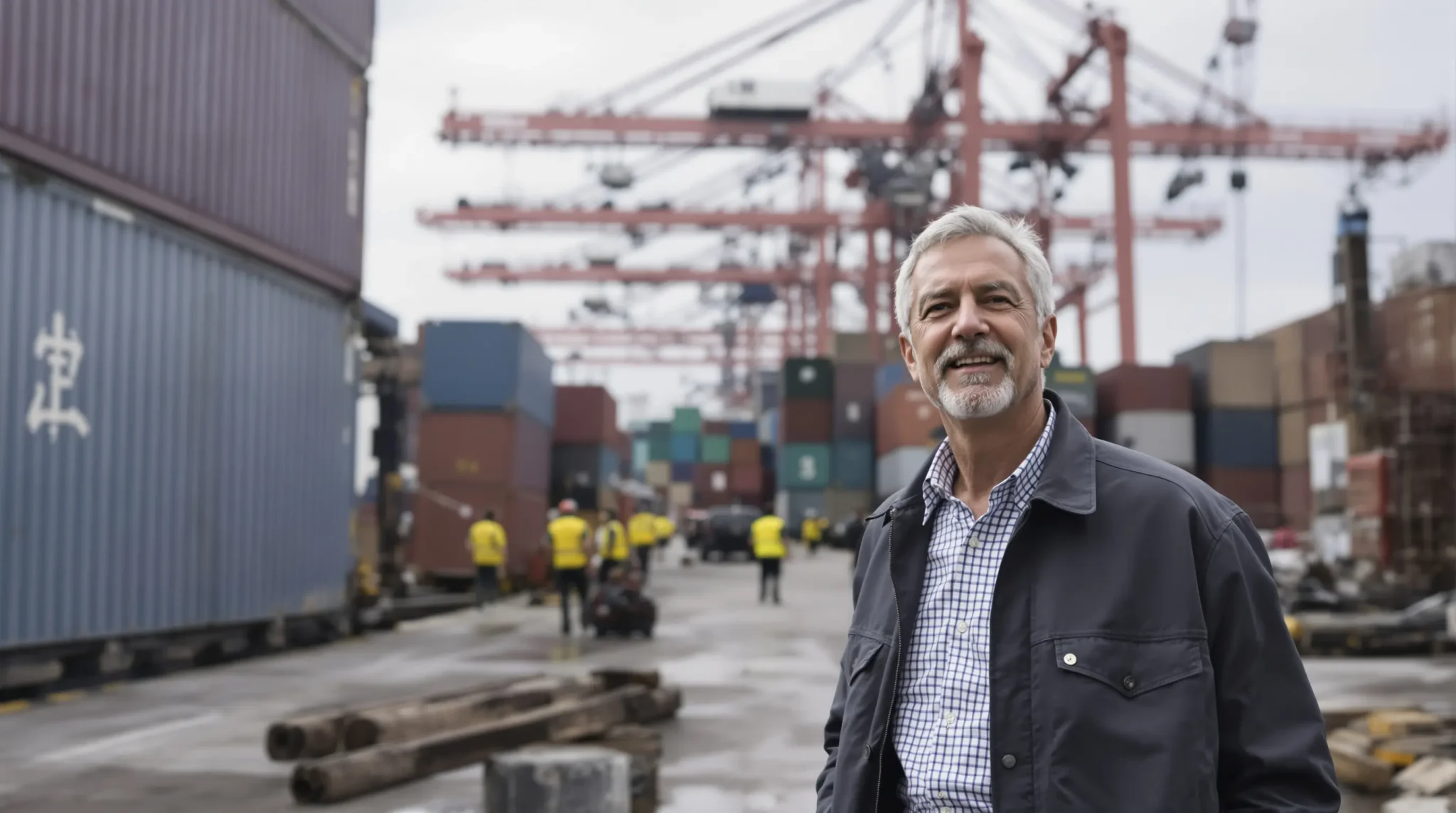
The import market in Cambodia is essential for supplying the raw materials needed by the country's key industries such as textiles and apparel. As Cambodia continues to integrate into the global supply chain, it’s crucial to understand import regulations to facilitate smooth customs clearance.
In this article, we will give you a comprehensive guide on how to import goods into Cambodia. We will cover the country’s key import regulations, requirements to import goods, tax obligations for importers, and essential customs processes you should know about.
Import Regulations in Cambodia
Cambodia's import regulations are governed primarily by the General Department of Customs and Excise (GDCE) under the Ministry of Economy and Finance. Cambodia participates in multiple free trade agreements, which facilitate trade and reduce customs barriers for many partner countries.
To streamline the import-export process, the government has implemented ASYCUDA (Automatic System for Customs Data) to streamline customs processing and reduce bureaucracy. To import goods to Cambodia, you must register and lodge declarations electronically through the GDCE via ASYCUDA.
The customs system also supports special controls such as sanitary and phytosanitary measures for food, chemicals, and pharmaceuticals, requiring additional inspections and authorizations.
Prohibited vs. Restricted Items: What is Allowed?
Cambodia strictly enforces a list of prohibited and restricted goods outlined in Sub-Decree No. 209. Goods considered as “prohibited” are banned except for government or military uses. On the other hand, restricted items can only be imported with proper permits and supervision. These goods often require pre-arrival assessment from regulatory bodies like CAMCONTROL.
| Prohibited Goods | Restricted Goods |
|---|---|
| - Weapons, ammunition, and their partsIllicit drugs and psychotropic substances - Right-hand drive vehiclesUsed electronics such as computers, shoes, bags, batteries, and transformers - Obscene or illegal published materials including certain religious and political books - Goods violating intellectual property rights or counterfeit products - Wild animals, plants, and related products impacting biodiversity and genetic resources - Various waste and used products that may harm education, culture, security, or social safety. | - Food products subject to sanitary and phytosanitary regulations - Chemicals and pharmaceuticals requiring safety and quality controls - Drugs and medical equipment - Electrical and electronic equipment - Other goods that are subject to technical standards or pre-arrival assessments by Cambodia's CAMCONTROL agency. |
Special Import Zones and Considerations
Like many nations in Southeast Asia, Cambodia has also established Special Economic Zones (SEZs). These areas have distinct regulations and incentives designed to encourage economic development and attract foreign investment.
As part of importing via SEZs, you can enjoy 10-year exemption on import duties, VAT exemptions, as well as simplified customs clearance processes. To qualify, you must obtain an SEZ Customs Permit from the Free Zone Management Department under the GDCE.
How to Import Goods in Cambodia: The Customs Process
Before you legally import goods in Cambodia, you also need to comply with basic company registration requirements, VAT registration, and must be registered as a declarant with the GDCE.
Here is an outline of the import process:
- Customs Declaration: submit a completed customs declaration form called the Single Administrative Document (SAD) through ASYCUDA World. This declaration must be signed and accompanied by supporting documents such as the following:
- Commercial invoice
- Packing list
- Bill of lading or airway bill
- Import permits (if needed)
- Certificates of origin (to claim preferential tariff treatment).
- Commercial invoice
- Packing list
- Bill of lading or airway bill
- Import permits (if needed)
- Certificates of origin (to claim preferential tariff treatment).
- Submission of Customs Permit: If the imported goods require, a Customs Permit must be obtained from GDCE's Customs Procedures Department and submitted with the declaration.
- Pre-arrival Assessment: For goods such as food, chemicals, drugs, and electronics, the importer must obtain Pre-Arrival Assessment authorization from CAMCONTROL, the Cambodian Import-Export Inspection and Fraud Repression Directorate-General, before customs clearance.
- Customs Inspection: Customs officers may conduct physical or documentary inspections of goods. CAMCONTROL inspections are also conducted jointly with customs for applicable products.
- Duty and Tax Payment: Import duties, typically including a 10% VAT on the CIF value plus any tariff, must be paid. Payments can be made through authorized banks or directly at customs offices. Proof of payment is submitted to customs.
- Release of Goods: After satisfactory compliance with all customs requirements and payment of duties/taxes, customs authorizes the release of the shipment to the importer.
- Transit Procedure (if applicable): Goods transported through Cambodia to other countries require customs transit declaration and guarantee to ensure duties and regulations are respected during transit.
If you don’t have a legal entity in Cambodia, you can still import goods with Emerhub’s Importer of Record service. We will act as your representative in Cambodia and facilitate the importation process so you can both import and export your goods as quickly as possible.
Import Duties and Taxes in Cambodia
As a rule, all custom duties and taxes must be paid before goods are released from customs. There are three types of payable duties and taxes you should know about:
- Customs Duties: Import duties are assessed on a wide range of goods. Rates vary from 0% to 35%, depending on the product category and country of origin. Cambodia implements preferential tariff rates under various Free Trade Agreements (e.g., ASEAN CEPT, and recent 0% duty on new goods from the US under Sub-Decree No. 139).
- Value-Added Tax (VAT): VAT is charged at a standard rate of 10% on the CIF (Cost, Insurance, and Freight) value plus customs duties and other applicable taxes. VAT must be paid at customs clearance unless exempt.
- Specific Tax (Excise Tax): Applies to certain goods such as alcohol, tobacco, and luxury products. For imports, excise tax is levied on the CIF value including customs duties.
Import Tax Exemptions
Import tax exemptions in Cambodia aim to encourage foreign investment, support diplomatic missions, and promote economic development. Here are different types of import tax exemptions in the country:
- Qualified Investment Projects (QIP): Enterprises registered as QIPs with the Council for the Development of Cambodia (CDC) receive comprehensive customs duty exemptions on imported production equipment, raw materials, and construction materials.
- Imports from Specific Countries: As of August 2025, Cambodia has implemented a 0% customs duty rate on new goods originating from the United States, including used cars from that country, under Sub-Decree No. 139. However, VAT and special taxes still apply.
- Diplomatic Missions and International Organizations: Goods imported for foreign diplomatic or consular missions, international organizations, and technical cooperation agencies are exempted from import duties and taxes.
- Agriculture and Temporary Imports: Partial exemptions may apply to seeds and breeding animals for agriculture and goods temporarily admitted for specific uses.
- Other Legal Provisions: Exemptions also cover items defined under other Cambodian laws, including certain equipment for technical co-operation or humanitarian purposes.
Emerhub helps you take care of all your import concerns in Cambodia. We can guide you through the complex import process and help you qualify for tax exemptions when necessary.
Talk to our local experts about the quickest way to import goods in Cambodia. Fill out the form below!
Frequently asked questions
How do I classify goods for customs duties?
To classify goods for customs duties in Cambodia, the country uses the Harmonized System (HS) Code developed by the World Customs Organization (WCO). Here’s how it works:
What are the customs duty rates in Cambodia?
Cambodia's customs duty rates are generally ad valorem, meaning they are calculated based on a percentage of the customs value (usually CIF) of the goods. The main standard duty rates applied to imports are:
Can I import goods for personal use without paying duty or taxes?
Importing goods in Cambodia for personal use may be exempt from import duties and taxes under certain conditions: However, goods imported for commercial purposes or in quantities exceeding personal use limits are not exempt and must undergo standard customs clearance with duties and taxes applied.
Are there post-clearance audits or inspections after importing goods?
Yes, Cambodia conducts post-clearance audits (PCA) and inspections after goods have been imported and cleared by customs. These audits are carried out by the Customs and Excise Department under the Ministry of Economy and Finance to ensure ongoing compliance with customs laws and regulations.
What are the rules for temporarily importing goods into Cambodia?
Goods can be temporarily imported under the Temporary Admission procedure. This allows you to bring goods into the country without paying import duties and taxes, provided these goods are re-exported within a specified timeframe, typically one year from the date of importation. This period may be extended with approval from customs authorities. The imported goods under temporary admission remain under customs control until they fulfill the conditions of temporary admission. Temporary admission is often used for goods such as machinery, equipment for exhibitions, samples, and goods for repair or processing.