

Looking to ship to Indonesia? In this article, we’ll tell you what you need to know before you can start importing to Indonesia.
Who can import to Indonesia?
Before you consider sending anything to Indonesia, ensure you meet the following requirements:
- Verify that your company or your importer of record in Indonesia has the appropriate import license.
- Ensure the product intended for import complies with Indonesian regulations.
As a foreign company, you cannot send your shipment to Indonesia without a license. You must either have an import license yourself or appoint an importer of record who holds the license.
A common mistake is assuming the freight forwarding company will clear your goods through customs. Their job is to move your shipment from point A to point B, not to handle customs clearance.
This applies even to small shipments. Many companies order items from online stores (e.g., Amazon) and think that paying for shipping is sufficient. It isn't. You still need an import license or must appoint an importer of record.
Process of Importing Goods to Indonesia
1- Pre-approval of the shipment
After ensuring that you or your importer possess the required import license, you need to verify whether the specific goods you wish to import comply with Indonesian regulations and determine which taxes and duties are applicable to them.
- Prior to shipment, conduct a check to understand Restricted Import Regulation/LARTAS.
- Estimate the duties and taxes expected to incur based on the shipment.
If you wish to do it yourself, you can visit the Indonesian customs website, insert the HS code of your product, and see which restrictions apply to it.
It’s very important to be accurate about your product list. For example, we helped a shipment of laptops where the client forgot to declare that besides laptops the shipment also contained chargers and laptop bags. The Indonesian customs saw it as a major violation and it resulted in paying a significant fine.
Halal Certification in Pre-Approval of the Shipment
Before approving the shipment, you need to meet specific halal certification requirements. Products requiring halal certification must also comply with LARTAS regulations if they fall under restricted categories.
- Verify HS Code: Ensure that the classification of your products using the Harmonized System (HS) Code aligns with halal certification requirements.
- Prepare Documentation: Gather and submit the necessary documents, including the application form and detailed information about the product and production facility.
- Undergo Inspection: Have your facilities inspected by auditors assigned by the Halal Product Assurance Organizing Agency (BPJPH).
After the inspection, BPJPH and the Indonesian Ulama Council (Majelis Ulama Indonesia - MUI), will review the auditor’s report. If your product meets all the standards, your halal certificate will be issued.
2- Preparing the Indonesian Customs Declaration (PIB)
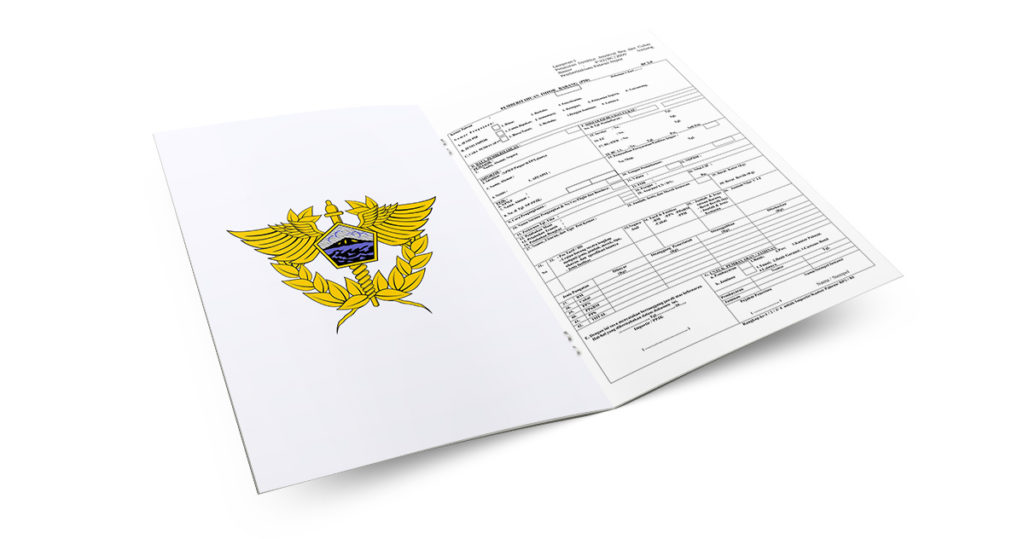
Pemberitahuan Impor Barang (PIB) is a detailed report listing the products being imported and their values. Created using three key documents:
- Commercial Invoice: Details the transaction.
- Packing List: Itemizes the included products.
- Waybill/Air Waybill: Acts as a receipt for the shipment.
The Customs Declaration is handled by your appointed Customs Broker (Perusahaan Pengurus Jasa Kepabeanan – PPJK). If using an Importer of Record, you don’t need an additional broker.
3- Appointing Freight Forwarder
This is the easiest part of the import process. You simply choose a company that will get your products from their original location to Indonesia.
As mentioned above, your freight forwarder will not be the customs broker, nor will companies like Amazon declare your goods.
4- Customs clearance
If you followed the previous steps correctly, this will be an easy process as well. Your customs broker or importer of record will submit the necessary documentation and get the products cleared. Ensure that you declare every single product in your shipment, regardless of its value.
However, keep in mind that Emerhub or your appointed customs broker will not be there when your shipment is put together. We can only declare based on the documents you give us..
5- Last-mile delivery
Once customs releases your products, you’ll receive an Order to Pick (SPPB). Depending on your agreement with the freight forwarder, they will either pick up your goods and send them to the final destination, or you will have to pick up the goods yourself.
A common mistake is to not be ready by the time the customs release the product. You’ll have to pay for each day your shipment is in the Customs warehouse.
Ready to import to Indonesia? Fill out the form below and our import consultants will reach out to you.