Product registration in Malaysia
Register and start selling your products in Malaysia. Emerhub's local team handles the NPRA, the Medical Device Authority, food import compliance, and JAKIM halal, and can hold the registration for you, so you can reach the market without setting up a company first.


































Products requiring registration and approval in Malaysia
Each category goes through its own regulator and route. Emerhub's regulatory team handles the notification or registration on your behalf.

Cosmetics & personal care
Skincare, makeup, and toiletries, notified to the NPRA under the ASEAN cosmetic directive. Notifications run for two years.

Health supplements & traditional medicines
Vitamins, supplements, and traditional remedies, registered with the NPRA before they can clear customs or be sold.

Medical devices
Classified A to D and registered with the Medical Device Authority, with conformity assessment for Class B to D.
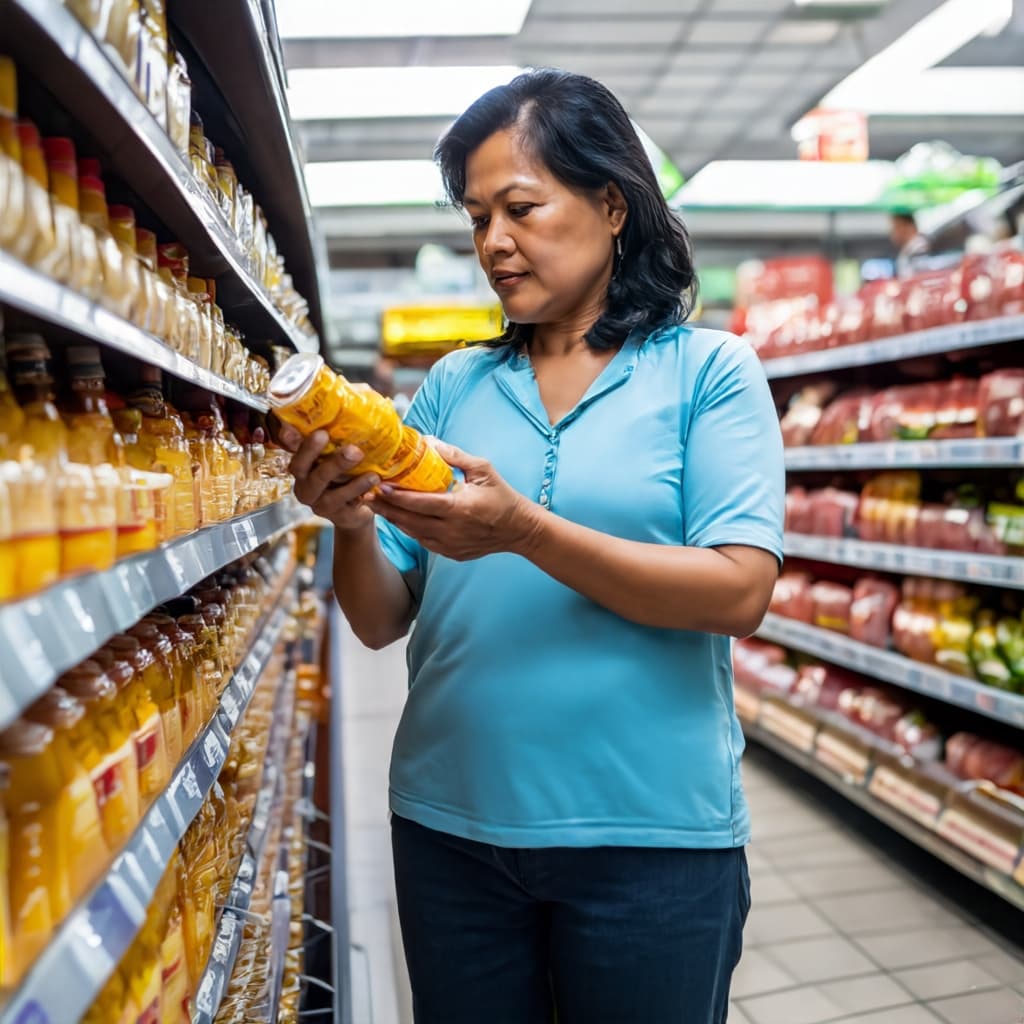
Processed food & beverages
Most food needs no pre-market registration. We handle import notification through FoSIM and labeling compliance under the Food Act.

Halal certification
Voluntary for most products, required for meat and animal products and for any halal claim on the label. We manage the JAKIM process.

Meat & animal products
Imports must come from facilities approved by the veterinary department, with halal certification from a JAKIM-recognized body.
Who regulates what
The four agencies behind the categories above, and what each one covers.
National Pharmaceutical Regulatory Agency
The Ministry of Health's regulator for health products. It runs the Quest system for notifications and registrations, which must be held by a local company.
Medical Device Authority
The device regulator under the Medical Device Act (Act 737). It registers devices through MeDC@St and requires a local authorised representative for overseas manufacturers.
Food Safety & Quality Division
Oversees imported food through FoSIM notification and entry-point inspection, under the Food Act and its labeling rules.
Department of Islamic Development
Runs halal certification. Foreign halal certificates are only accepted from bodies JAKIM recognizes, and meat imports must carry one.
Every product needs a local holder in Malaysia
Notifications and registrations must sit under a company incorporated in Malaysia: a notification holder for cosmetics, a registration holder for health products, an authorised representative for devices. There are three options for who that is, and we handle all of them.
Register under your own entity
You set up, or already run, a Malaysian company (Sdn Bhd) and hold your notifications and registrations yourself. Full control and direct ownership of every registration.
Emerhub as your product holder
Emerhub's local entity acts as your notification holder, registration holder, or authorised representative, so you can sell without setting up a company. Faster to reach the market, and lighter to maintain.
Appoint an exclusive distributor
If you go to market through a single distributor in Malaysia, they can hold the notifications and registrations. The simplest route, though it ties your registrations to that one partner.
Not sure which fits? Tell us your product and your plans for Malaysia, and we'll recommend the route that makes sense.
Why companies register through Emerhub
We hold registrations ourselves, and we stay on after approval.
On-the-ground experience
A Kuala Lumpur team that deals with the NPRA, the MDA, and JAKIM every week, keeping your file moving.
We can be your product holder
Register and sell without a local company. Emerhub acts as your notification or registration holder, giving you a legal route to market fast.
Your authorised representative
For medical devices, we act as the Malaysian authorised representative the MDA requires for an overseas manufacturer.
Ongoing compliance
Labeling under the Food Act, renewal of two-year cosmetic notifications, and post-market obligations, all kept on track.
Securing your registrations
Every registration follows the same path, whichever regulator it goes through.
Classify & choose your route
- We confirm the product category and which regulator and route apply.
- We agree whether you register under your own entity or with Emerhub as holder.
Prepare the dossier
- We compile the technical and administrative documents, including the product information file for cosmetics.
- For devices, we arrange the conformity assessment Class B to D requires.
Submit & follow up
- We file through the right system: Quest for the NPRA, MeDC@St for the MDA, FoSIM for food imports.
- We follow up with the regulator until the file is approved.
Registered & maintained
- Your product is notified or registered, and you can start selling.
- We handle renewals, labeling, and ongoing compliance from there.
Product registration FAQs
What companies ask most often before registering their products in Malaysia.
Can a foreign company register products in Malaysia directly?
Not directly. Notifications and registrations must be held by a company incorporated in Malaysia: a Cosmetic Notification Holder for cosmetics, a Product Registration Holder for health products, and an authorised representative for medical devices. You can register under your own Malaysian entity, or Emerhub can act as your holder, so you can sell without setting one up.
Should I register under my own entity or use Emerhub as product holder?
It depends on your plans. If you're committing to Malaysia long term and want to own your registrations, registering under your own company makes sense. If you're testing the market, launching a single product, or want to sell before setting up an entity, having Emerhub hold the registration is faster and lighter. We'll help you decide which fits.
Does food need to be registered before it can be sold?
Ordinary processed food does not go through pre-market registration in Malaysia. Imports are notified electronically through FoSIM and inspected at the port of entry, and the product must comply with the Food Act and its labeling rules. Health supplements and products with therapeutic claims are different: those are registered with the NPRA before they can be sold.
Is halal certification mandatory?
For most products, no. Halal certification in Malaysia is voluntary, with two exceptions: meat and animal products must be certified by a JAKIM-recognized body to enter the country, and any product labeled or marketed as halal must hold valid certification. In practice many retailers and food-service buyers expect it, so certifying is often worth it commercially even when the law does not require it.
How long does registration take?
It varies by route. Cosmetic notifications are the fastest, NPRA product registrations take longer, and device timelines depend on the class and the conformity assessment. Once we've classified your product, we give you a realistic timeline before you commit, rather than a generic estimate.
What happens if the NPRA or MDA rejects the application?
We handle the response. We address the regulator's queries, correct or supplement the dossier, and resubmit, so a rejection becomes something to fix rather than a dead end.
Talk to our Kuala Lumpur team
Tell us what you're selling and which markets you're targeting. We'll confirm the category, the route, and a realistic timeline.
Kampung Datuk Keramat
50400 Kuala Lumpur, Malaysia