FDA registration in Thailand
The Thai FDA approves food, cosmetics, drugs, medical devices, and household chemicals before they can be sold in Thailand. Most need a company-level license first and then a product approval, and a foreign company needs a local holder for both.









































How Thai FDA approval works
FDA approval in Thailand is two approvals, applied for in order. You clear the company layer before the product layer.
The import or manufacturing license
Your local entity holds an FDA license to import or manufacture the product type. It carries an official name in each category: a cosmetic importer license, a medical device establishment license, or a food import license. The Thai FDA issues it, and it comes before any product is approved.
The product approval
Each product is then registered, notified, or listed with the FDA, depending on its category and risk class. This approval carries the FDA number that lets the product be sold.
Products that need Thai FDA approval
If you import or manufacture any of these for sale, you need the right FDA license and a product approval before you can put them on the market.
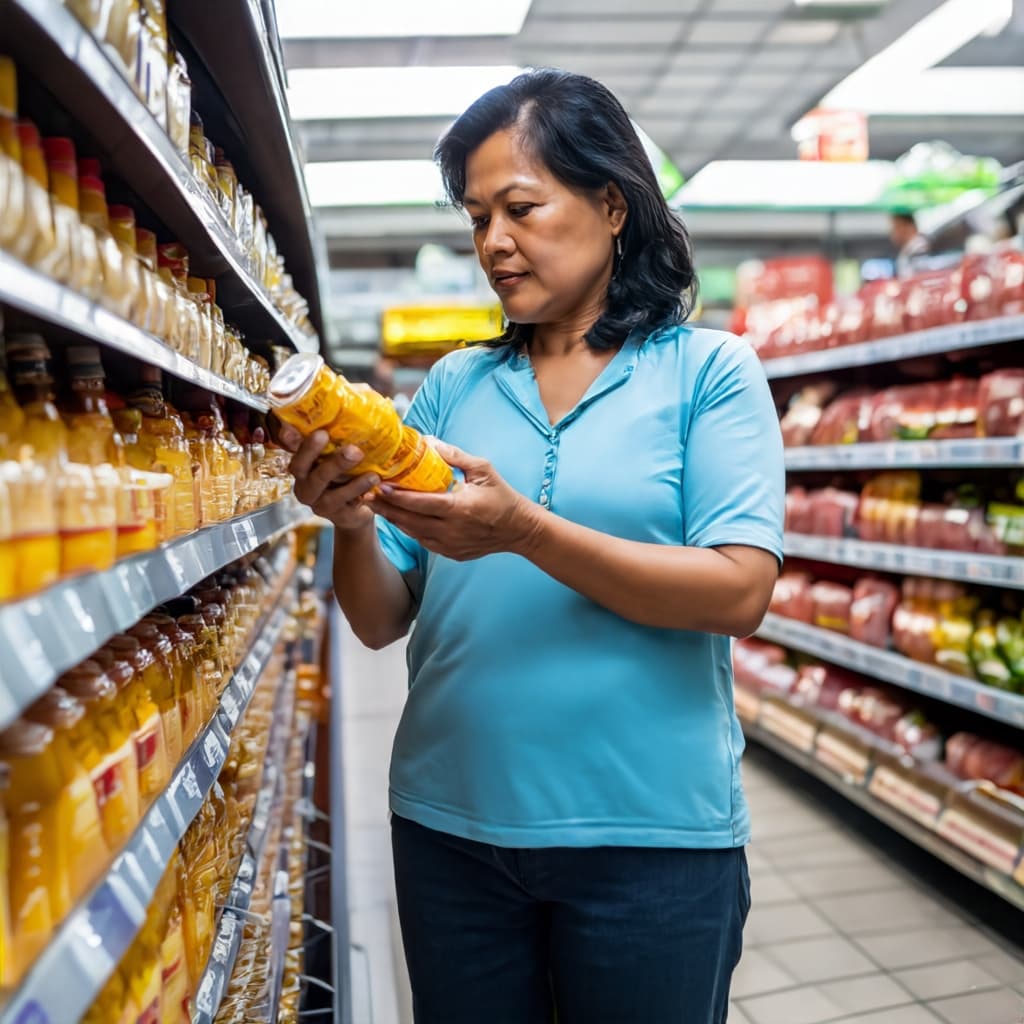
Food and beverages
Food Act B.E. 2522. Specifically controlled foods need a pre-approved label and an FDA serial number, and importers hold a food import license renewed every three years.

Cosmetics
Cosmetics Act B.E. 2558. Controlled cosmetics are notified and specially controlled ingredients are registered, on an importer license held first.

Drugs and traditional medicines
Drug Act B.E. 2510. Modern, traditional, and veterinary medicines each register separately, on top of an importer license and a marketing authorisation.
Medical devices
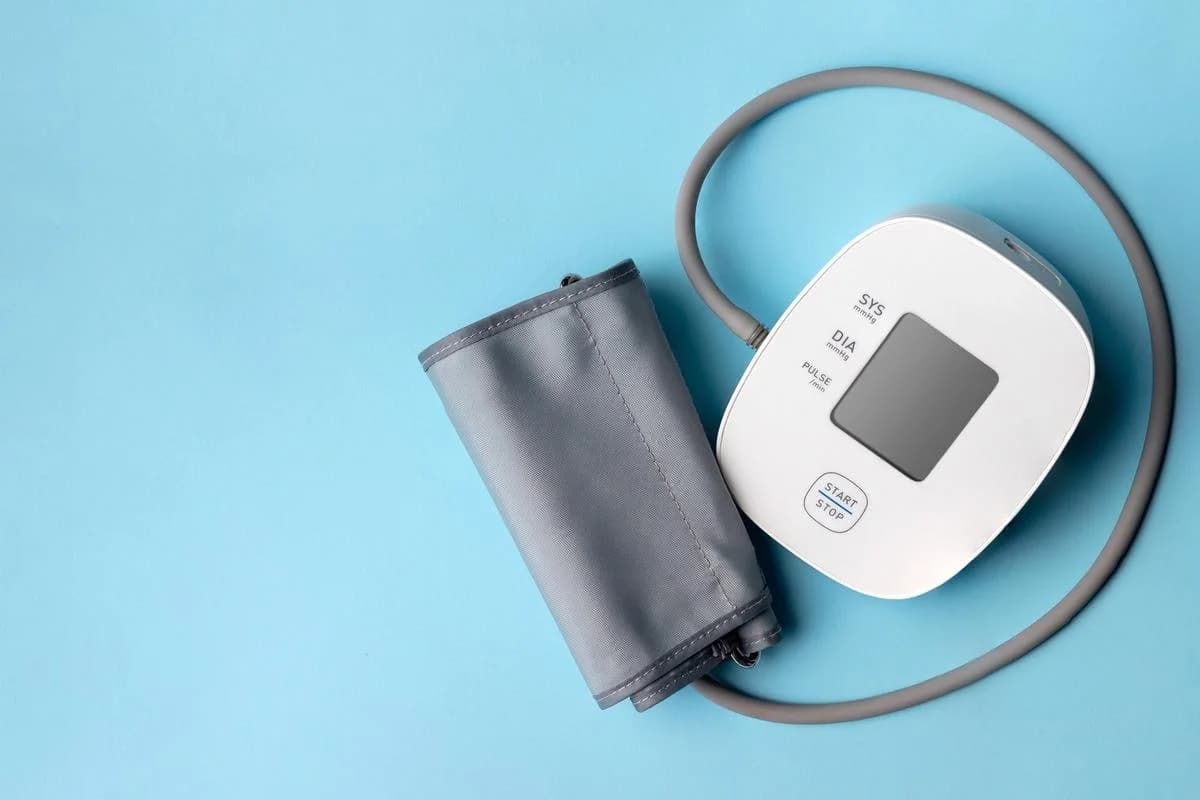
Medical Device Act B.E. 2562. Four AMDD risk classes: Class 1 listing, Class 2 to 3 notification, Class 4 licensing, all on an establishment license.

Household hazardous substances
Hazardous Substances Act B.E. 2535. Household chemicals fall into four types by hazard; Types 2 and 3 need an operating license plus product registration.

Herbal products
Herbal Product Act B.E. 2562. Traditional and herbal medicines are registered or notified with the FDA herbal division.
The Thai FDA import license
To import a regulated product into Thailand, your local entity first needs an FDA license to operate as an importer of that product type. It goes by different names by category: a cosmetic importer license, a medical device establishment license, a food import license. In every case the Thai FDA issues it, and it has to be in place before any product can be registered.
This license is what Customs clears imports against, so a product approval alone is not enough to bring goods in. Depending on the activity, separate storage, advertising, and distribution licenses can also apply, with advertising in particular needing its own approval tied to the claims the FDA cleared.
The import license has its own requirements, including a physical office and warehouse in Thailand. See how the Thai FDA import license works.
Every Thai FDA license needs a local holder
The FDA issues licenses only to Thai-registered companies, so a foreign brand chooses one of three routes. They differ in how much control you keep.
Register under your own entity
You set up a Thai company and hold the licenses yourself. This gives full control, with the capital and upkeep of running a local company.
Emerhub as your holder
We hold the license through our Thai entity as your Local Authorized Representative. You keep control of the registration and can sell through any distributor.
Appoint a distributor
A distributor holds the license for you. It is the cheapest way in, but it ties your market access to one partner.
How Emerhub handles your FDA registration
From luxury cosmetics to high-risk medical devices, we take a product through classification, filing, and license holding.
Detailed classification
We analyze ingredients and claims to find the exact legal category, since that decides the route, the documents, and the cost.
Technical pre-audit
We review your global dossier and identify what has to be added, translated, or tested locally before filing.
Lab testing coordination
For higher-risk categories we manage sample submission to FDA-approved laboratories in Thailand.
Thai labeling
We prepare compliant Thai-language labels so your products clear the border and the shelf.
Local representation
We hold your licenses so you can sell through several distributors without being locked into one partner.
Ongoing vigilance
We track law changes, manage renewals, and act as your liaison during FDA inspections.
Securing your Thai FDA license
From classification to a license you can sell under.
Step 1 — Classify and gap analysis
We confirm the legal category and risk class, then list what your dossier is missing for Thailand.
Step 2 — Prepare the dossier
We assemble the formula, technical file, certificates, and Thai labels the category requires.
Step 3 — E-submission and follow-up
We file through the FDA e-submission system and answer the FDA’s queries until it clears.
Step 4 — License issued and maintained
We hold the approval, manage renewals, and keep your labeling and reporting current.
FDA registration FAQs
What foreign brands ask before they file.
Do I need to register with the Thai FDA to sell in Thailand?
Yes, for any food, cosmetic, drug, medical device, or household hazardous substance. These cannot be imported or sold until you hold the right FDA license and the product itself is registered, notified, or listed.
What is the difference between an FDA license and a product registration?
The license is the company layer: permission for your local entity to import or manufacture a product type. The registration is the product layer: approval of the specific item. You need the license first, then the product approval under it.
Can a foreign company register with the Thai FDA directly?
No. Licenses are issued only to companies registered in Thailand. A foreign brand sets up its own Thai entity or appoints a local holder, such as Emerhub acting as Local Authorized Representative, to hold the license and file on its behalf.
How do I check a Thai FDA registration?
Approved products carry an FDA serial number, shown on the label as the Or Yor (อย.) mark for food and similar identifiers for other categories. You can verify a number against the Thai FDA’s online product database to confirm a registration is current.
How long does Thai FDA approval take, and how long does it last?
It varies by category and risk. A cosmetic notification can clear in about a day and is valid three years; a high-risk medical device license takes months and is valid five years. Food and drug approvals sit in between. We give a timeline once we have classified your product.
What if my product falls between two categories, like a cosmeceutical?
The FDA classifies by legal definition and claims, not marketing labels. A product marketed as a cosmeceutical is treated as either a cosmetic or a drug depending on its ingredients and what it claims to do. We resolve the category up front, because it decides the license, the route, and the cost.
Talk to our Thailand team
Tell us the product and where it is made. Our Bangkok team will classify it, hold the license through our local entity or yours, and run the registration through to approval.
591 Sukhumvit 33, Watthana
Bangkok 10110