Importer of Record service in the Philippines
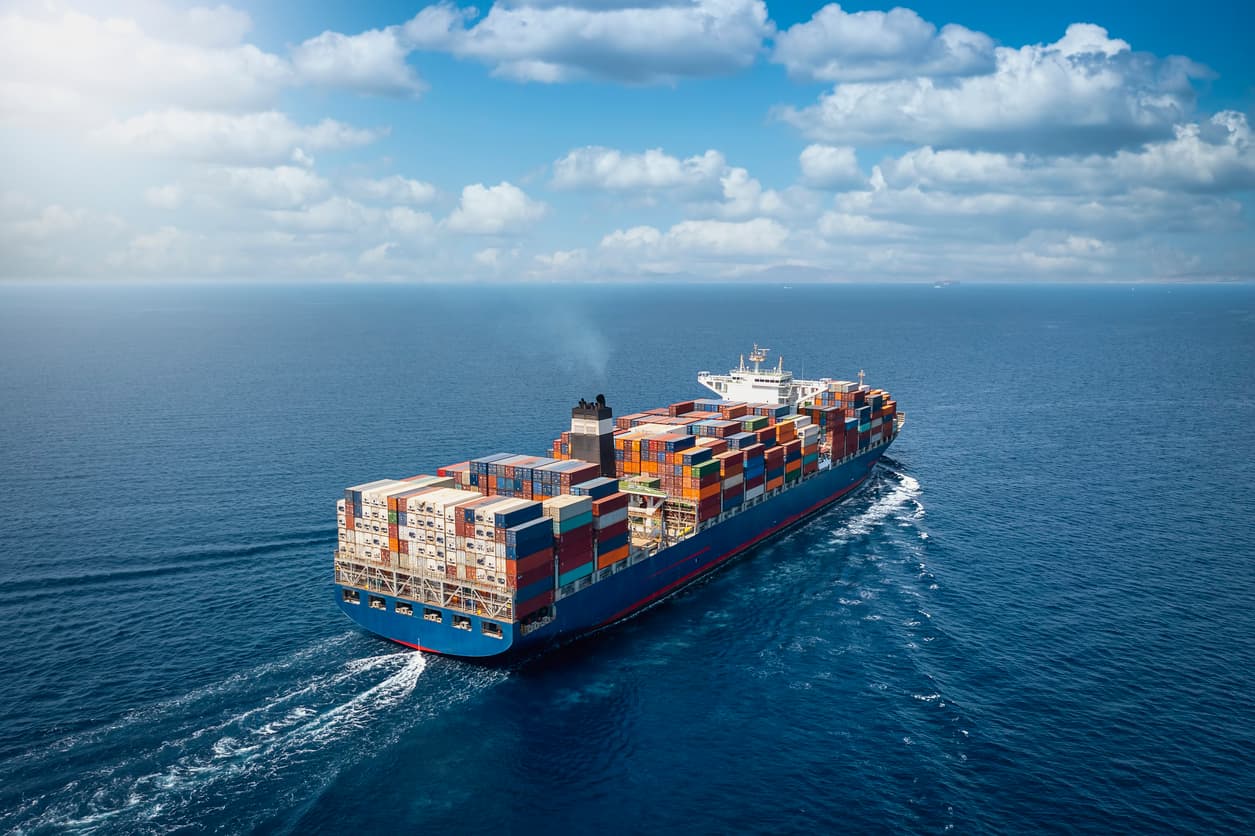
As your Importer of Record in the Philippines, Emerhub handles customs clearance, duty settlement, and delivery to your address. You skip the company setup and import accreditation entirely.







































Two paths to importing into the Philippines
Direct import requires a Philippine entity with import accreditation from the Bureau of Customs — typically several months of setup before the first shipment. Importer of Record uses Emerhub's existing infrastructure instead, so you can start immediately.
Set up a Philippine company first, then import
To import goods into the Philippines directly, a foreign company needs a Philippine-registered entity with import accreditation from the Bureau of Customs, plus the relevant sector licenses. Setting that up takes four to six months for a foreign-owned domestic corporation, with ongoing accounting, tax, and statutory compliance work attached to it.
For regulated products like cosmetics, food, supplements, or medical devices, you'll also need separate approvals from the Philippine FDA before goods can be released by customs.
Skip the setup. Ship in weeks
We already hold the import accreditation and customs network needed to bring goods in. Your goods ship with Emerhub named as the Importer of Record. We clear customs, settle duties and taxes, and deliver to your specified address in the Philippines.
You can start importing within weeks of submitting your first shipment documents — without spending a single hour on Philippine company formation, tax registration, or import accreditation applications.
Everything a Philippine importer would handle, on your behalf
From port arrival to final delivery, with the legal infrastructure to back every step.
Customs clearance
Filing the customs declaration and clearing your goods at the Philippine port of entry.
Import licenses
We hold the Philippine import accreditation and sector-specific permits required for your category.
Duty & tax settlement
Calculation and payment of import duties, VAT, and any applicable excise taxes at the point of clearance.
Warehouse handling
Storage and staging between customs clearance and onward distribution to your destination.
Delivery
Final-mile delivery to your address, distributor, or fulfillment partner in the Philippines.
Shipment tracking
Visibility into your import status from port arrival through to final delivery.
Three steps from documents to delivery
The first shipment takes a couple of weeks of onboarding. Every shipment after that follows the same compressed path.
Submit your documents
- Confirm with your overseas supplier that Emerhub Philippines is acting as your Importer of Record.
- Submit the shipping documents to our team for review and verification.
Verification & shipping
- You decide the shipment size and form — boxes, crates, or containers.
- Emerhub retrieves and verifies the imported goods on arrival.
- We handle outbound customs clearance and shipping coordination.
Customs & delivery
- Emerhub prepares for and handles customs clearance in the Philippines.
- The goods are delivered to your selected address.
Foreign brands selling into the Philippines
Most clients using our Importer of Record service fall into one of these patterns. If yours matches, the service is built for your situation.
Importing for online sales
Bringing inventory into the Philippines for sale on marketplaces like Shopee, Lazada, or TikTok Shop. Often paired with our Seller of Record service for the marketplace selling side.
Direct fulfillment
Companies fulfilling orders directly to Filipino business buyers, often on a per-order basis.
Bulk shipments to partners
Sending bulk shipments to your Philippine distribution partner who handles the local retail side.
Trying the Philippines first
Brands testing demand or running pilot launches before committing to a permanent local presence.
Starting now, formalising later
Companies that have begun Philippine corporation setup but want to start shipping before the entity and accreditation are fully operational.
Cosmetics, food, medical
Categories requiring Philippine FDA or BPS approvals — handled by our regulatory team as a paired service alongside the import engagement.
What Philippine customs needs for every shipment
These three documents are required for every Philippine import, regardless of product category. Regulated categories may need additional documentation — we'll confirm the full list during initial review of your shipment.
Itemised list of shipment contents — number of cartons or containers, gross and net weight, dimensions, and packaging format.
Harmonised System classification codes for each product line, or a technical datasheet from which the codes can be determined.
Declared transaction value of the shipment, including currency, Incoterms, and full shipper and consignee details.
Importer of Record FAQs
What foreign brands ask most often before their first shipment into the Philippines.
What is an Importer of Record in the Philippines?
An Importer of Record is the legal party on the customs declaration responsible for goods entering the Philippines — declaring the shipment, paying duties and taxes, and complying with Philippine import regulations. Under Philippine law, this role can only be filled by an entity registered in the Philippines and holding import accreditation with the Bureau of Customs, plus any sector-specific licenses for the product category.
Foreign companies without a Philippine entity can't be the Importer of Record themselves. Through this service, Emerhub Philippines takes that role on your behalf — goods enter the country under our name, using our accreditation and licenses, while ownership of the goods and the brand remains entirely with you. It's commonly used by brands that want to start importing immediately without first setting up a Philippine company, or by companies bridging the gap while their own entity setup is in progress.
How fast can I start shipping?
For most goods, once your supplier confirms Emerhub as the Importer of Record and we've reviewed your documents, the import can move forward immediately — typically within weeks of the first conversation.
For products requiring pre-import approval (cosmetics, food, supplements, medical devices), the relevant Philippine FDA or BPS approval needs to be in place before shipping. We can sequence that work in parallel with onboarding.
Whose name is on the import documentation?
Emerhub Philippines is named as the consignee and Importer of Record on the official documentation. You remain the owner of the goods and the brand throughout — the arrangement is a service relationship, with our licenses and infrastructure working on your behalf.
What types of goods can be imported through your Importer of Record service?
Most general consumer and commercial goods can be handled. Some product categories require additional product registration or sector-specific approvals before import — for example, cosmetics, food, and supplements through the Philippine FDA, electrical and industrial products through BPS standards, or specific certifications for chemicals and medical devices.
We confirm category feasibility during initial document review. If a product needs registration in addition to the Importer of Record service, we can handle both.
How are customs duties and taxes handled?
Philippine customs calculates duties and taxes based on the HS code classification and declared customs value of your goods. Our team handles the calculation, filing, and settlement on your behalf during clearance.
The actual duty and tax amounts are passed through to you at cost. We confirm the applicable rates during the initial document review so you can factor them into your pricing.
Can I sell on Shopee, Lazada, or other Philippine marketplaces?
Selling on marketplaces is a separate role from importing. The Importer of Record service gets your inventory legally into the Philippines. Acting as the marketplace seller — listing the products, processing customer payments, handling transactions — is a different service we offer called Seller of Record. We often run both engagements together for brands selling on Shopee, Lazada, or other Philippine marketplaces.
Can I use this for one-off shipments, or only ongoing imports?
Both work. There's no minimum frequency or volume commitment. The service is useful for sporadic shipments where setting up your own import infrastructure isn't justified, and for ongoing imports while you test the market before committing to a permanent local entity.
Talk to our Philippines team
Tell us what you're shipping, where it's coming from, and where it needs to go in the Philippines. We'll confirm feasibility, the documentation required, and the timeline to your first delivery.
2 26th St, Taguig
1634 Metro Manila, Philippines