
Thailand is becoming an increasingly popular destination for foreign investors seeking to establish an international trading company. This is primarily due to its diverse economy (Thailand has many strong industries) and optimal location concerning international trade with other economic hubs in Southeast Asia.
This guide will act as your starting point for starting a trading company in Thailand. We’ll dive deeper into why it could be to your benefit to register a Thai trading company and the different steps of the process to register.
What is a trading company?
A trading company’s primary purpose is to import and export a specific range of goods to supply a manufacturer with the necessary means to produce an end product which will then be sold to consumers and businesses. Trading companies therefore generally stand as intermediaries, or distributors, working mainly in a business-to-business (B2B) capacity.
These companies will usually put a significant focus on logistics and supply chain management, as they will normally import goods from a source country and export them into different international markets to sell to a local manufacturer at a more competitive rate. Usually, trading companies will import and export large quantities of goods, while monitoring market conditions.
Main activities for trading companies
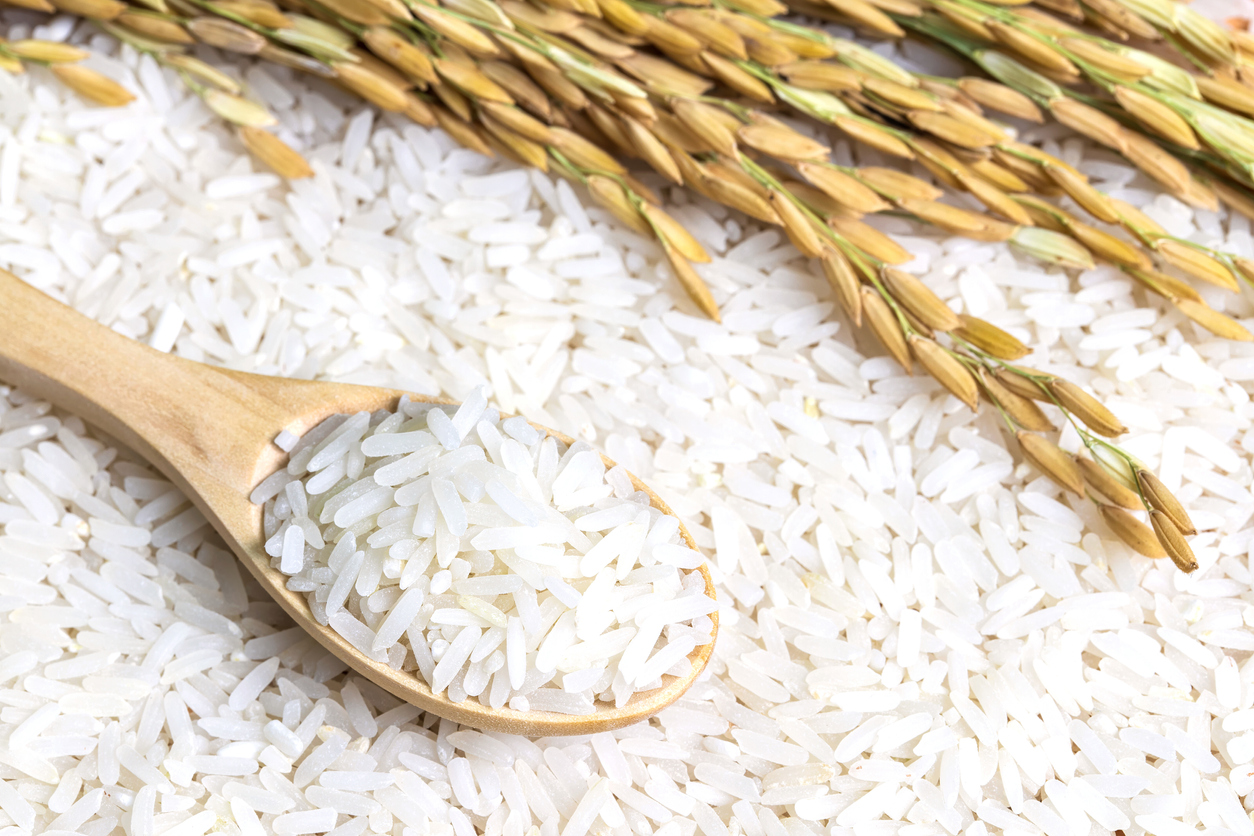
Sourcing goods and commodities

Supplying manufacturers
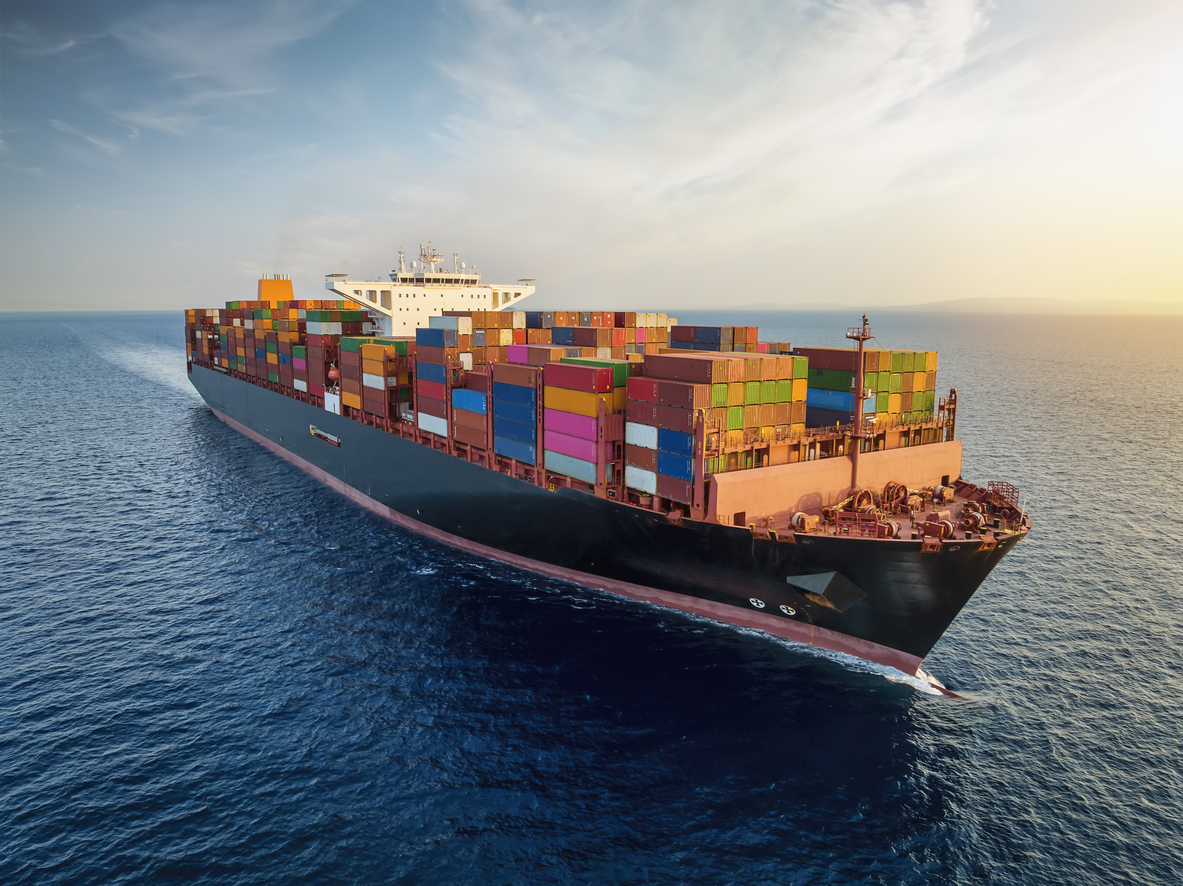
Distribution of manufactured products
Why start a trading company in Thailand?
Strategic trade location
Thailand is one of the world's primary sourcing markets, due to the vast availability of valuable commodities which see high demand from international trading markets:
- Refined petroleum - Exports totaling USD 7.84 billion
- Rice - Exports totaling USD 5.77 billion
- Rubber - Exports totaling USD 4.63 billion
Thailand is strategically located in the heart of Southeast Asia which gives it good proximity to other ASEAN trade countries. This facilitates the process of importing and exporting goods that have been sourced in this region. As a key member of the ASEAN community, Thailand also benefits from multiple regional trade agreements, which reduces trading costs.
Thailand also has an efficiently developed transportation infrastructure, including numerous seaports, airports, and highways. This ensures seamless trade with neighboring countries and simplifies supplying commodities to international manufacturers.
Robust economic landscape
Thailand boasts one of the richest economies in Asia, with exports being one of the main driving forces behind its consistent growth. It has a diversity of key industries, such as automotive, agriculture, and electronics, which make it an appealing economic hub for registering international trade companies.
Thailand’s GDP growth has remained consistent thanks to its stable economy and it currently stands at the 31st position worldwide. The government has also installed many measures to further improve and maintain the country's post-pandemic recovery.
Free trade zones
Depending on the type of industry in which you are planning on operating a trading company, you may be able to conduct your activities in an area that offers exemptions or reduced customs duties for importing, processing, and exporting commodities.
For more information on how the Free Trade Zone can benefit your company and how to register, be sure to take a look at our related article on starting a company in Thailand’s Free Trade Zones.
Company Registration Process in Thailand
Registering your trading company
If you are planning on starting a trading company in Thailand, then there are some key considerations that you will need to take into account to ensure that you register your trading company in the most efficient manner possible:
- What type of legal entity will your company be registered as?
- How quickly do you wish to set up your import/export operations?
- Are there any international treaty requirements for you to ensure legal trading?
- Where will you be sourcing your commodities?
- Are there any customs requirements relative to your industry?
Company registration in Thailand is a complex process that is influenced by many variables. To better understand how to identify and answer these questions, be sure to read our complete guide to foreign-owned company registration in Thailand.
Licensing process
When starting a trading company in Thailand, you will inevitably need to navigate the complex regulations that apply to your specific industry. A crucial step in ensuring compliance with local laws is identifying and acquiring the necessary licenses for your operations.
Different types of commodities and trade products may require specific licenses before you can legally import or export them to and from Thailand. These licenses include, but are not limited to:
- Import-export license
- Foreign Business License
- FDA license
- Food license
- Factory license
Emerhub’s team of experts can also reduce the administrative burden and assist you in navigating the complexities of the licensing process through our company registration service.
Streamline your importing needs through an Importer of Record
If you are considering starting a trading company in Thailand, you will need to establish a strong logistical supply chain to ensure that you can effectively import and export according to your specific industry’s demand. This implies having a deep understanding of regulations for importing goods into Thailand and exporting them to third countries.
If your primary focus is importing, or you are seeking to streamline this portion of your supply chain and focus on international exports, then you could benefit from partnering with an Importer of Record (IOR), who can act as your consignee and facilitate transportation of your goods into Thailand through a pre-established and experienced local logistical network.
Emerhub’s advisors are well-versed in Thai import regulations and license acquisition. Schedule a consultation via the form below and we’ll get you started on setting up a trading company in Thailand while offering you logistical solutions tailored to your needs.