Product registration in Vietnam
Register and start selling your products in Vietnam. Oversight is split across the Ministry of Health's administrations and two other ministries, so the route depends on the product. Emerhub's local team identifies the right authority, prepares the dossier, and can hold the registration for you, so you can reach the market without setting up a company first.




































Products requiring registration and approval in Vietnam
Each category runs through its own authority and route. Emerhub's regulatory team handles the declaration, notification, or registration on your behalf.
Processed food & beverages
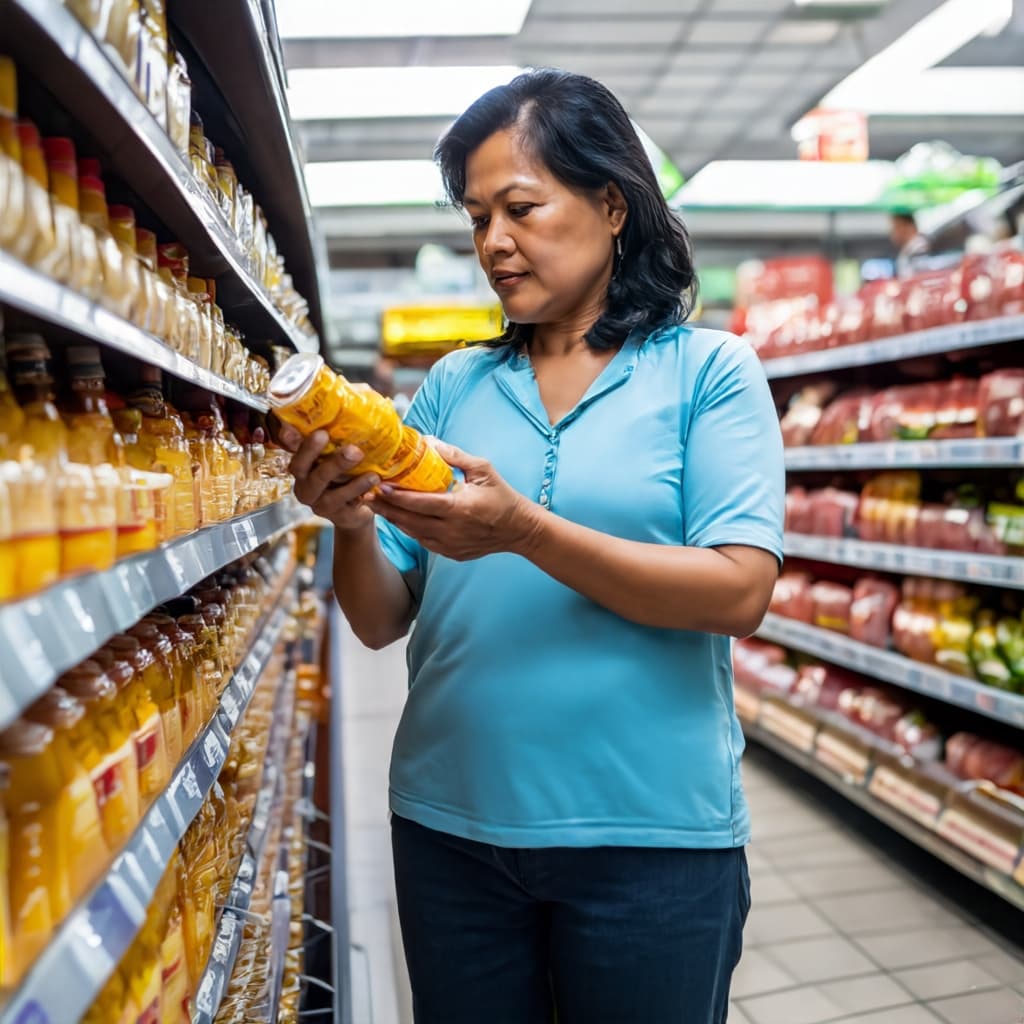
Most pre-packaged food is self-declared with the food safety authority. Once the declaration is published, you can start selling.
Read the food guide
Health supplements & functional foods
Reviewed by the VFA and tested at a licensed Vietnamese laboratory before the declaration is registered.

Cosmetics
Notified to the Drug Administration on a formula basis: every SKU, shade, or scent needs its own submission.
Read the cosmetics guide
Drugs & pharmaceuticals
Prescription and OTC drugs, vaccines, and traditional medicines, registered with the DAV before import or distribution.

Medical devices
Class A and B declare their standards at the provincial level; Class C and D are registered centrally with the IMDA.
Read the device guide
Fresh & agricultural foods
Fresh fruit, vegetables, and plant-based products, registered and imported under the agriculture ministry's rules.
Types of product approval in Vietnam
There is no single product license in Vietnam. What you need depends on the product, from a self-declaration for everyday food to a marketing authorization for medicines, each handled by a different administration under the Ministry of Health.
A licensed local company
Every approval sits with a Vietnam-registered company whose business lines cover importing and distributing your product category. Your own entity can hold it, or Emerhub's can, so the registration does not depend on setting up a company first.
Product Self-Declaration
For most pre-packaged food and beverages. The holder publishes the declaration, takes responsibility for compliance, and can sell immediately, with no certificate issued by the authorities.
Certificate of Registered Product Declaration
For higher-risk food products. The dossier is reviewed by the authorities, with testing at an accredited laboratory before a certificate is issued.
Cosmetic Product Notification Receipt
All cosmetics are notified to the Drug Administration of Vietnam before import. The receipt is valid for five years.
Medical Device Registration Number
Class A and B devices declare their applied standards with the provincial health department; Class C and D are registered with the Ministry of Health. Numbers do not expire.
Marketing Authorization for pharmaceuticals
The approval for medicines, issued by the Drug Administration of Vietnam. Only licensed pharmaceutical companies can import and distribute them.
Import license for controlled drugs
A separate import license from the Ministry of Health applies to controlled and unregistered drugs, such as narcotics, psychotropics, precursors, and medicines without a marketing authorization, granted case by case. A registered product is imported on its own approval, with no extra license.
Every registration needs a local holder in Vietnam
Whichever agency your product goes through, the registration sits with a Vietnam-registered company permitted to import and distribute that category. There are three options for who that company is, and we handle all of them.
Register under your own entity
You set up, or already run, a Vietnamese company with the right business lines, and hold your declarations and registrations yourself. Full control and direct ownership of every registration.
Emerhub as your product holder
Emerhub's local entity acts as your authorized representative, holding the registration and handling submissions and compliance, so you can sell without setting up a company. Faster to reach the market, and lighter to maintain.
Appoint an exclusive distributor
If you go to market through a single Vietnamese distributor, they can hold the registrations and import your products. The simplest route, though it ties your registrations to that one partner.
Not sure which fits? Tell us your product and your plans for Vietnam, and we'll recommend the route that makes sense.
Is there an FDA in Vietnam?
Vietnam has no Food and Drug Administration. Companies familiar with the US system often search for a "Vietnam FDA," but there is no single agency that approves food, drugs, cosmetics, and devices the way the US FDA does. Those functions are split.
The Vietnam Food Administration (VFA) handles food and supplements, the Drug Administration of Vietnam (DAV) handles drugs and cosmetics, the Infrastructure and Medical Device Administration (IMDA) handles medical devices, and the Ministry of Agriculture (MARD) handles fresh produce. The VFA and DAV are the closest equivalents to the parts of the FDA most foreign companies have in mind, and both sit under the Ministry of Health.
Why companies register through Emerhub
One team across every agency, from first classification to renewal.
End-to-end management
Classification, dossier compilation, translation, online submission, and follow-up with every agency, all handled for you.
Local entity solutions
We can incorporate your company, act as your importer of record, or hold the registration ourselves: whichever legal pathway fits your stage.
Device expertise
Classification from A to D, technical dossiers in the ASEAN format, and the local authorized representative role when you need one.
Ongoing compliance
Warehouse audits, packaging and labeling compliance, and renewals managed before they lapse.
Securing your product registration
Whichever agency your product goes through, the path runs the same four steps.
Classify & identify the authority
- We confirm the category and which agency handles it.
- We agree whether you register under your own entity or with Emerhub as holder.
Prepare & translate the dossier
- Documents compiled and translated, labels reviewed against Vietnamese standards.
- Lab testing arranged with licensed laboratories where the route requires it.
Submit & follow up
- We file with the right agency and manage queries and amendments.
- Self-declarations publish immediately; reviewed routes we chase to approval.
Registered & maintained
- You can import and sell, with the registration held in safe hands.
- We track renewals, variations, and rule changes from there.
Product registration FAQs
What companies ask most often before registering their products in Vietnam.
Does Vietnam have an FDA?
No. There is no Vietnamese FDA. Unlike the Philippines and Thailand, Vietnam does not have one agency covering food, drugs, cosmetics, and devices. Food and supplements go through the VFA, drugs and cosmetics through the DAV, medical devices through the IMDA, and fresh produce through MARD. If you have been searching for the "Vietnam FDA," the VFA and DAV together cover most of what you are looking for. We identify the correct one for your product and handle the registration.
Can a foreign company register a product in Vietnam directly?
Not directly. Every registration sits with a Vietnam-registered company whose business lines cover importing and distributing the product. You can register under your own entity, or Emerhub can act as your product holder, so you can sell without setting one up.
Which ministry handles my product?
Most products sit under the Ministry of Health: food with the VFA, cosmetics and drugs with the DAV, devices with the IMDA. Fresh produce goes through the agriculture ministry, and a few food categories, like alcohol and processed milk, through the trade ministry. Classification decides it, which is why we confirm the authority before anything is filed.
How long does product registration usually take?
It depends on the route. Self-declarations for food are effective as soon as they're published. Cosmetic notifications take weeks. Registered declarations, device registrations, and pharmaceutical approvals run from a few months upward. We give you a realistic timeline once we've classified your product.
Does Vietnam offer expedited registration pathways?
Mostly no. Food self-declaration is immediate by design and cosmetic notifications are quick, while the device rules include a fast-track for some Class C and D devices. For everything else, the realistic accelerator is a complete, well-translated dossier the first time, which is exactly what we prepare.
Do I need a local warehouse to distribute products in Vietnam?
Regulated categories must be stored in facilities that meet the authorities' standards, and warehouses can be audited. If you distribute through Emerhub or an established partner, that infrastructure is already in place; if you set up your own operation, we help you bring the warehouse up to standard.
What happens if my application is rejected or queried?
We handle the response. We address the agency's queries, correct or supplement the dossier, and resubmit, so a rejection becomes something to fix rather than a dead end.
Talk to our Ho Chi Minh City team
Tell us what you're selling and which markets you're targeting. We'll confirm the category, the route, and a realistic timeline.
Sài Gòn, Hồ Chí Minh, Vietnam