Household product (PKRT) registration in Indonesia
PKRT, household health supplies, are regulated by Indonesia’s Ministry of Health, not BPOM. Tissues, detergents, cleaners, antiseptics, and household pesticides all need an Izin Edar before they can be sold. We classify the product, hold the license through our local entity or yours, and run the registration end to end.











































What PKRT covers, and who regulates it
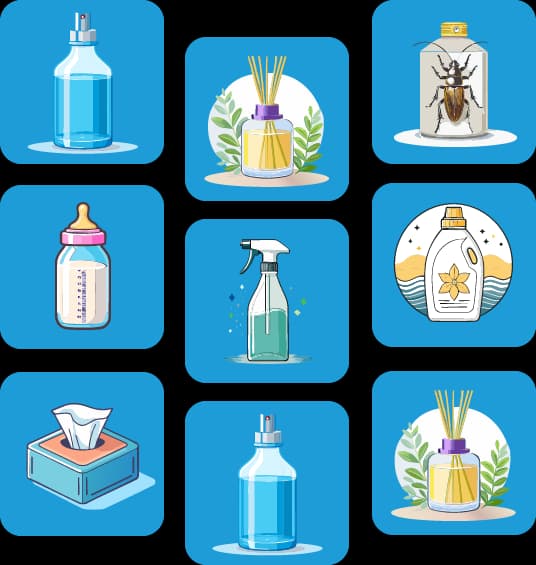
PKRT stands for Perbekalan Kesehatan Rumah Tangga, household health supplies. It covers the everyday products used to clean and care for the home, from tissues and detergents to antiseptics and insect repellents. Selling any of them in Indonesia requires an Izin Edar, a distribution license.
PKRT sits with the Ministry of Health, through its Directorate General of Pharmaceutical and Medical Devices, not with BPOM. BPOM handles food, drugs, cosmetics, and supplements; PKRT and medical devices fall to the Ministry of Health.
The license carries a PKD number for products made in Indonesia and a PKL number for imported ones. Registration runs through the OSS system for the license ID and then the Ministry’s Regalkes portal, under Health Minister Regulation 62 of 2017. A foreign company cannot hold the license directly, so it registers through a local entity, a representative, or a distributor.
Household products that need registration
If it is used to clean, protect, or freshen the home, it most likely needs a PKRT license.
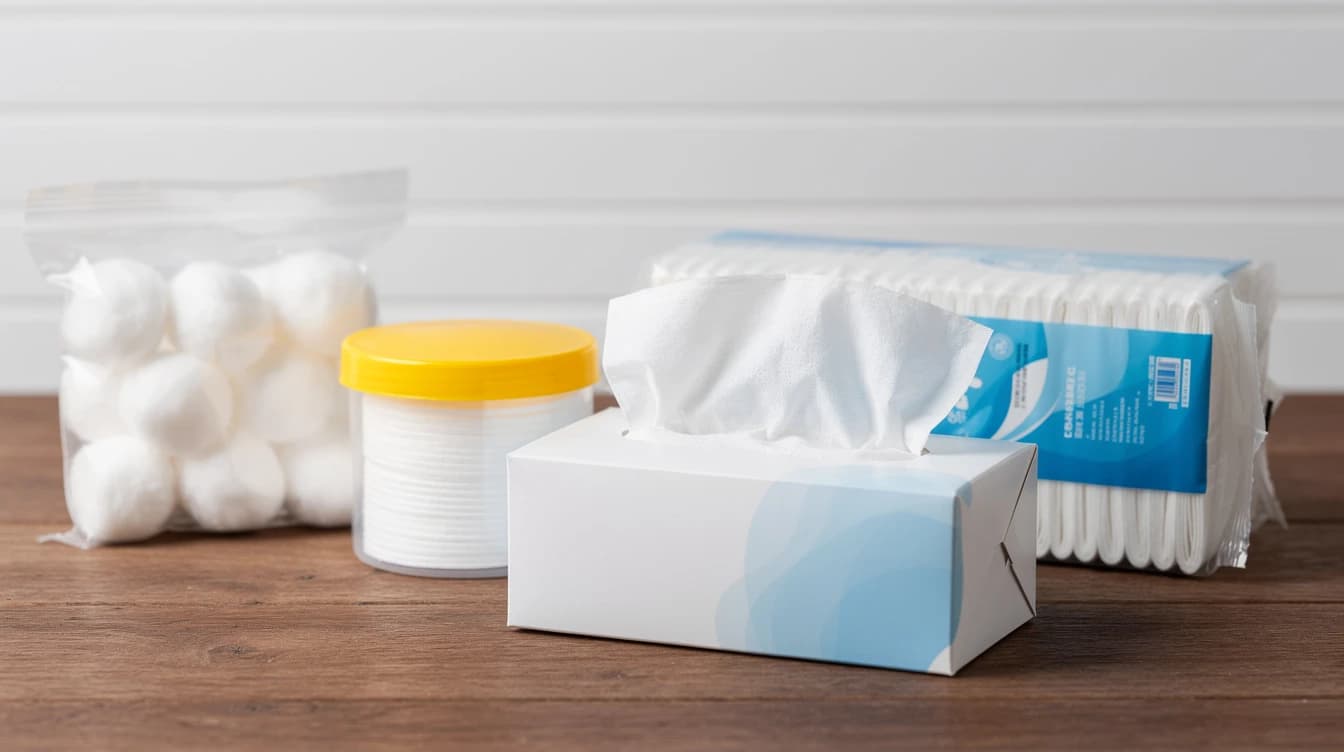
Tissues and cotton
Beauty cotton, facial and toilet tissue, wet wipes, cotton buds, and paper towels.

Laundry preparations
Laundry soap, detergent, fabric softener, bleach, washing enzymes, and hand soap.

Cleaners
Kitchenware, glass, floor, toilet, and furniture cleaners.

Babycare products
Pacifiers, baby diapers, and milk bottles.

Antiseptics and disinfectants
Antiseptics and disinfectants used in the home.
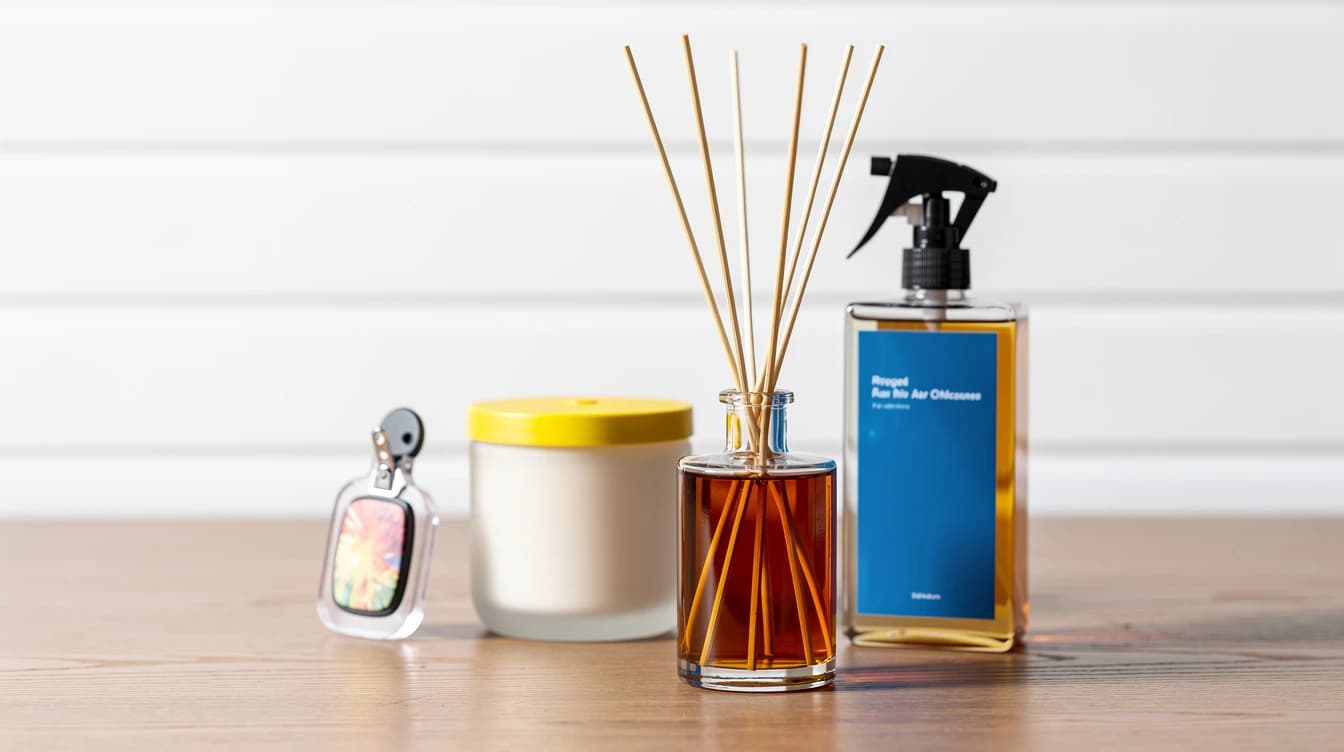
Fragrances
Room and car fragrances.
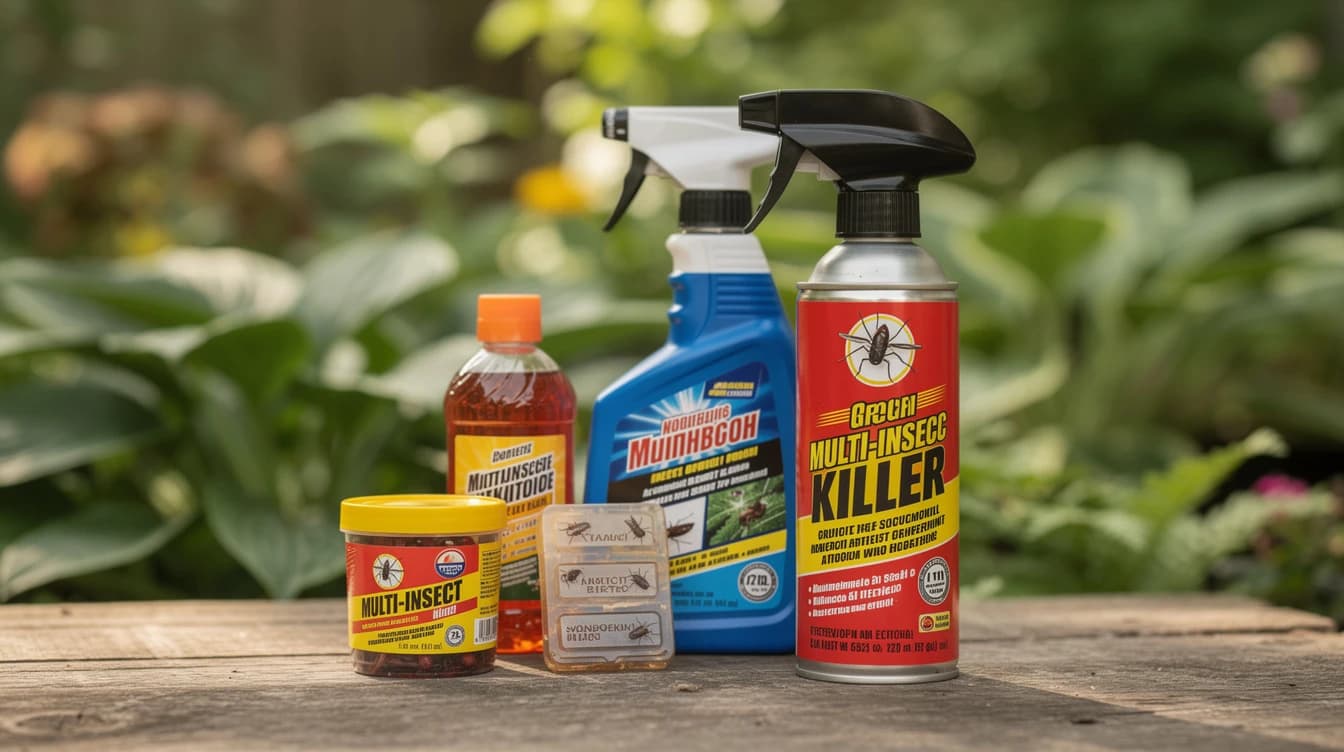
Household pesticides
Insect control, head lice control, and pet flea control.
How PKRT products are classified
Products fall into three classes by health risk, which sets the testing and documents required.
Class 1, low risk
No significant effect such as irritation. Examples: cotton buds, toilet paper.
Class 2, medium risk
Can cause irritation or corrosiveness, but are not carcinogenic. Examples: detergents, alcohol-based cleaners.
Class 3, high risk
Contain pesticides and can cause serious effects, including carcinogenicity. They need rigorous testing and extra approval from the Pesticide Commission. Examples: mosquito coils, insect repellents.
Who holds your PKRT license
The holder must be a company registered in Indonesia. You have three routes to that.
Register your own company
Set up an Indonesian company with a product-related business classification, such as wholesale trade. You own the license directly, but you take on the capital and upkeep of a company.
Emerhub as your product holder
We hold the distribution license for you, so you can sell in Indonesia without registering and maintaining a company of your own.
Appoint an exclusive distributor
If you will work with a single distributor, they can hold the license. It is the simplest route, but the least flexible, since the license sits with them.
How we register your PKRT products
Four stages, from choosing a holder to your Izin Edar.
Step 1 — Appoint a product holder
Decide who holds the license in Indonesia: your own company, Emerhub, or a distributor.
Step 2 — Risk assessment
Your products are assessed and assigned a class, from low to high risk, which sets the documents and approvals needed.
Step 3 — Document preparation
We compile the product information, technical specifications, and usage instructions for the dossier.
Step 4 — Issuance of the Izin Edar
Once approved, the Ministry issues your distribution license. It runs for up to five years, then is renewed before it expires.
PKRT registration questions
What brands ask before registering household products.
Is PKRT registered with BPOM or the Ministry of Health?
The Ministry of Health, through its Directorate General of Pharmaceutical and Medical Devices. BPOM handles food, drugs, cosmetics, and supplements, while PKRT and medical devices sit with the Ministry of Health.
How long is a PKRT Izin Edar valid?
Up to five years under Health Minister Regulation 62 of 2017. For imported products, the validity follows the foreign principal’s Letter of Authorization, so it can be three or five years. Renew at least nine months before it expires.
What is the difference between PKD and PKL?
PKD is the license number for PKRT produced in Indonesia. PKL is the number for imported PKRT.
Can a foreign company hold a PKRT license directly?
No. The holder must be a company registered in Indonesia. You register through your own entity, an independent holder such as Emerhub, or an exclusive distributor.
What makes a product Class 3?
Products containing pesticides, such as mosquito coils and insect repellents. They face the most testing and need additional clearance from the Pesticide Commission.
Where is the registration filed?
Through the OSS system for the license ID, then the Ministry’s Regalkes portal, under Health Minister Regulation 62 of 2017. The documents required depend on the product’s risk class.
Talk to our regulatory team
Tell us the product, how it is used in the home, and where it is made. Our Jakarta team will classify it into the right PKRT risk class, hold the license through our local entity or yours, and run the registration through to your PKD or PKL number.
RT.7/RW.2, Kuningan
Jakarta 12950, Indonesia