

The Indonesian National Standard (SNI) ensures products and services meet the highest quality, safety, and environmental standards.
The SNI certification process is managed by the National Standardization Agency (BSN). It is built on global best practices and is essentially Indonesia’s version of what other countries already have, such as:
| Country | National Standard | Issuing Body |
|---|---|---|
| USA | ANSI Standards | American National Standards Institute |
| European Union | EN Standards | CEN, CENELEC, ETSI |
| Japan | JIS (Japanese Industrial Standards) | Japanese Industrial Standards Committee |
| China | GB Standards (Guobiao) | Standardization Administration of China |
| Australia | AS Standards | Standards Australia |
| Singapore | SS (Singapore Standards) | Enterprise Singapore |
If your products require Standard certification to be distributed abroad, there is a high chance that they also require SNI Certification in Indonesia.
Securing the SNI (Standar Nasional Indonesia) mark for your product is a vital step for them to be distributed in Indonesia.
This guide provides an overview of SNI certification specifically for products, its requirements, and how businesses can navigate the process effectively.
Understanding the SNI Certification in Indonesia
What is an SNI Certification in Indonesia?
An SNI Certificate confirms that the regulated product complies with Indonesia’s national standards. SNI Certification is regulated by Indonesia’s national standards agency and enforced by conformity assessment bodies such as LSPro (Product Certification Bodies) and SINas (National Accreditation Committee) and is applied for:
- Products
- Services
- System/ Procedure
Therefore, If you plan to import, distribute, or sell regulated products, you must secure the SNI certification beforehand to avoid penalties such as product recalls, fines, and potential bans on product distribution.
There are 2 types of implementation of SNI:
- SNI Wajib (Mandatory)
- SNI Sukarela (Voluntary SNI)
Types of Products Requiring SNI Certification in Indonesia
As of June 2025, there are 322 Mandatory SNI spread in multiple Institutions:
| Institutions and Products (such as) | Total SNI | For Products (such as) |
|---|---|---|
| Ministry of Industry | 133 | (refined crystalised sugar, batteries, LED light, table salt, safety shoes, lighter, construction items: mirror sheets for, cement, steel and iron; household items: water pump, electric iron, washer, dryer, rice cooker, electric blender, electric juicer, electric mixer, chopper, food processor, TV, soundspeaker, toilet pot, ceramic, stove; f&b: mineral water. Coffee, cacao, biscuit, cooking oil; other: paper, cartoon, cables, textiles, bicycles, toys |
| Ministry of Energy and Natural Resources | 88 | Refrigerator, LED, switches, electric fan |
| Ministry of Agriculture | 6 | Sugar, fertiliser |
| Ministry of Fishery | 2 | Canned tuna, sardines |
| Ministry of Transportation | 9 | Airport terminal |
| Ministry of Public housing | 44 | N/A - SNI under this ministry are mostly for Systems |
| Ministry of Trade | 22 | Rubber, Vacuum Cleaner, Toaster, Electric Over, Textiles, Mattress, Shoes, Crayon, |
| Ministry of IT and Telecommunication | 5 | Telecommunication equipments |
Emerhub experts in Indonesia can walk you through the full list of regulated product categories. Our team can also help determine your specific product categories, ensuring they meet all necessary standards for the Indonesian market.
Who Can Apply for an SNI Certificate in Indonesia?
Only businesses or individuals that have a legal presence in Indonesia can apply for SNI. If you are a foreign manufacturer without a company in Indonesia, you will need to incorporate a PT PMA or appoint a local representative who will hold the SNI certificate on your behalf.
- If you are a principal or manufacturer with a legal entity in Indonesia, you may apply directly.
- If you are a foreign principal or manufacturer without a legal entity in Indonesia, you must appoint a Representative in Indonesia, such as Emerhub - who will act as your official product certificate holder.
💡 Important to Note: Your appointed Representative will also serve as your authorized importer in Indonesia. Since an SNI certificate can only be issued to one Representative, we recommend aligning early with your Representative to ensure roles, responsibilities, costs, and other expectations are clear from the start. This will help avoid complications later in the certification, import process and commercial disputes
Key Requirements for SNI Certification for Foreign Manufacturers
1. Trademark Registration
Trademark registration plays a critical role as a key requirement for foreign manufacturers. Regulated through PP 28 Tahun 2021 and reiterated in New SNI Regulations, which are spreads into multiple SNIs between 2024–2025. Trademark registration is now mandatory and now a formal prerequisite before applying for SNI certification. The process itself to get your Trademark fully registered can take up to 18 months.
2. Appointment of a Local Representative
This can be achieved either by forming a limited liability company (PT PMA) or by appointing a local product holder such as Emerhub.
Our local experts provide essential local insights to optimize your company setup, act as your local representative, and ensure all mandatory documentation is in order.
3. Choosing the Certification Type
A. SNI Type 1n Certification
SNI Type 1n Certification (sometimes written as Type 1b in international standards) is a batch-based certification scheme under SNI. It is great for limited shipments or one-time imports; or when testing the market with initial/pilot shipments.
- One-time / batch only: The certificate only applies to the specific shipment or batch being certified. Each new shipment requires a new application.
- No factory audit: Unlike Type 5, there is no audit of the manufacturer’s facilities or quality management system.
- Product testing required: Samples from the shipment are tested in an accredited laboratory to confirm compliance with SNI.
- Faster process: Since there is no factory audit or ongoing surveillance, the process is quicker than Type 5.
💡 Important to Note: Even for Type 1n certification, trademark registration (or proof of filing) with DGIP is mandatory. If you are not the trademark owner, a license agreement must be officially recorded in Indonesia before the certificate can be issued.
B. SNI Type 5 Certification
SNI Type 5 Certification is the full certification scheme under SNI and is typically use for business continuation in Indonesia, i.e: large-scale or continuous imports, large distributions for retails, and for products that are sensitive, high-volume, or safety-critical (e.g. electrical appliances, steel, automotive components, batteries which require only Type 5).
- Factory audit required: The manufacturer’s facility and quality management system (often based on ISO 9001) are reviewed by Indonesian authorities or accredited auditors.
- Product testing: Samples of the product are tested in accredited laboratories to confirm compliance with SNI standards.
- Ongoing surveillance: Annual audits or market sampling are carried out to ensure consistent quality.
- Validity: Certificates are valid up to 5 years, provided that annual surveillance requirements are met.
- Trademark requirement: As with Type 1n, trademark registration (or proof of filing) with DGIP is mandatory, and licensing agreements must be officially recorded if the brand is not owned by the applicant.
Why Its Recommended to Choose Type 5 SNI Certification
Type 5 certification demonstrates a strong, long-term commitment to the Indonesian market. It gives you:
- Greater credibility with regulators, distributors, and retailers.
- Lower long-term costs compared to repeating Type 1n for every shipment.
- More secure market access, as the SNI certificate under Type 5 acts as your ongoing license to import and sell.
4. Required Documents for SNI Application Submission
When preparing your application for the SNI Certificate, you need to have 2 types of documents. The first, related to your appointed representative, and the second related to product and manufacturer.
1. Documents related to the appointed Representative:
- Business license, tax identification number (NPWP) and Import License of the appointed Representative.
- Contract manufacturing agreement (between brand owner and contract manufacturer) if the product is manufactured at a contract manufacturing facility
- Legally binding agreement between the overseas manufacturer and the appointed Indonesian representative, stating the party responsible for the products circulating in Indonesia
- Signed statement letter confirming:
- No distribution before SPPT SNI is issued
- Product quality responsibility
- Proper labeling with SNI and LSPro details
- Authenticity of submitted documents
- No distribution before SPPT SNI is issued
- Product quality responsibility
- Proper labeling with SNI and LSPro details
- Authenticity of submitted documents
2. Required documents related to the Products and from Manufacturer, such as:
- Trademark Certificate issued by Indonesian DGIP
- List of products along with the photos
- ISO certificate from accredited certification body
- Production flowchart (in English or Bahasa Indonesia)
- Quality manual or equivalent documents, translated into Bahasa
- Risk analysis and quality control document
- Production capacity and equipment list, QC records
- Raw material test report/COA
Registration Steps for SNI Certification (Type 5) in Indonesia
Before proceeding with the main Type 5 SNI process, two prerequisites must be completed. First, confirm whether your product is subject to mandatory SNI by identifying the exact applicable SNI standard (e.g., SNI XXXX:YYYY) and mapping the HS Code against the relevant technical regulation.
Second, determine who will act as the certificate holder, since the SNI must be held by an Indonesian business actor (Pelaku Usaha). If you do not have a local entity, you must appoint an Indonesian Representative, such as Emerhub, to serve as certificate holder and importer.
At the same time, ensure trademark compliance by providing a DGIP trademark registration (or proof of filing), and if the brand is licensed, record the license agreement with DGIP. Only once these two prerequisites are fulfilled can you proceed to the next steps of the certification process
Here’s the step by step to apply for the SNI certification in Indonesia once prequisite conditions above have been met:
Step 1: Application Submission to LSPro
- Select an LSPro for your specific SNI and a KAN-accredited lab to test your product.
- Align on testing plan, sampling, and audit dates (overseas audits require travel planning/visas).
- LSPro performs document review
- clearance to proceed to audit/testing.
Step 2: Factory Audit and Samples Testing
The facility is audited and Products are tested against Indonesian standards. Testing is conducted by accredited laboratories under LSPro supervision:
- LSPro auditors visit the manufacturing site, in which the applicant will cover all travel costs.
- Focus areas for the audit: QMS effectiveness, traceability, incoming materials, process controls, testing/calibration, non-conformity handling (CAPA), labeling control, final release
- Auditors or LSPro witness and seal samples.
- Samples go to the accredited lab under chain-of-custody.
- Lab tests against the specific SNI clauses (performance, safety, EMC, etc., as applicable).
Step 3: SNI Mark Approval
Upon passing the audit and tests, products are granted the SNI label. This approval is managed via SINas, Indonesia’s certification information system.
Step 4: Ensuring Compliance and Post-Certification Essentials
An SNI certification is valid for up to 5 years (depending on products) but requires regular audits and timely renewals to maintain validity. Non-compliance can result in hefty penalties or revoked certification.
From handling all official communications with corresponding authorities to managing timely renewals and detailed audits, our experts in Indonesia can ensure your timely approval and compliance throughout this process.
How to Import SNI-Certified Products to Indonesia
When you are importing regular goods into Indonesia, you need to have an import license and pay customs duties, etc. However, importing products requiring SNI certification into Indonesia adds extra layers. That means, in addition to having the necessary import license and permits, you also need to secure the SNI certification and have SNI-approved marks on your products.
Here’s what the process of importing an SNI-certified product looks like:
1. Secure an Import License (NIB)
The Business Identification Number (NIB) now serves as the primary import license, replacing the previously mandatory general license (API-U). The NIB authorizes your business to import goods for commercial purposes and ensures compliance with Indonesia’s customs and trade regulations.
2. Obtain the SNI certification
This verifies that your products meet Indonesia’s national standards and specific restricted product requirements. It involves product testing, compliance checks, and certification approval through accredited bodies like LSPro. It’s crucial to plan ahead, as any missteps here can delay your market entry.
3. Check other LARTAS Requirement
Sometimes, SNI certificate only is not sufficient to import your products into Indonesia. There might be an overlapped of product requirements to be complied before entering Indonesia. Such as:
| Products | LARTAS Requirements |
|---|---|
| Ceramic Tiles | SNI Wajib, Laporan Surveyor |
| Mineral Water | SNI Wajib, BPOM/FDA product registration, Halal Registration |
| Textiles | SNI Wajib/ Mandatory SNI, Laporan Surveyor/ Surveyor Report, Persetujuan Import/ Import Approval |
4. Ensure Proper Labeling
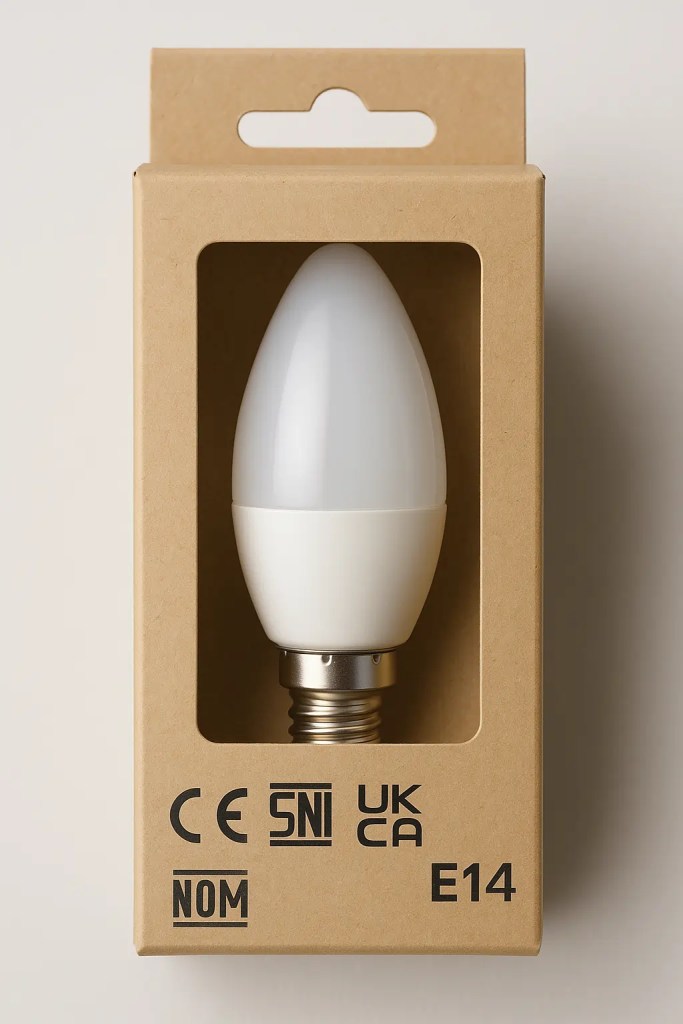
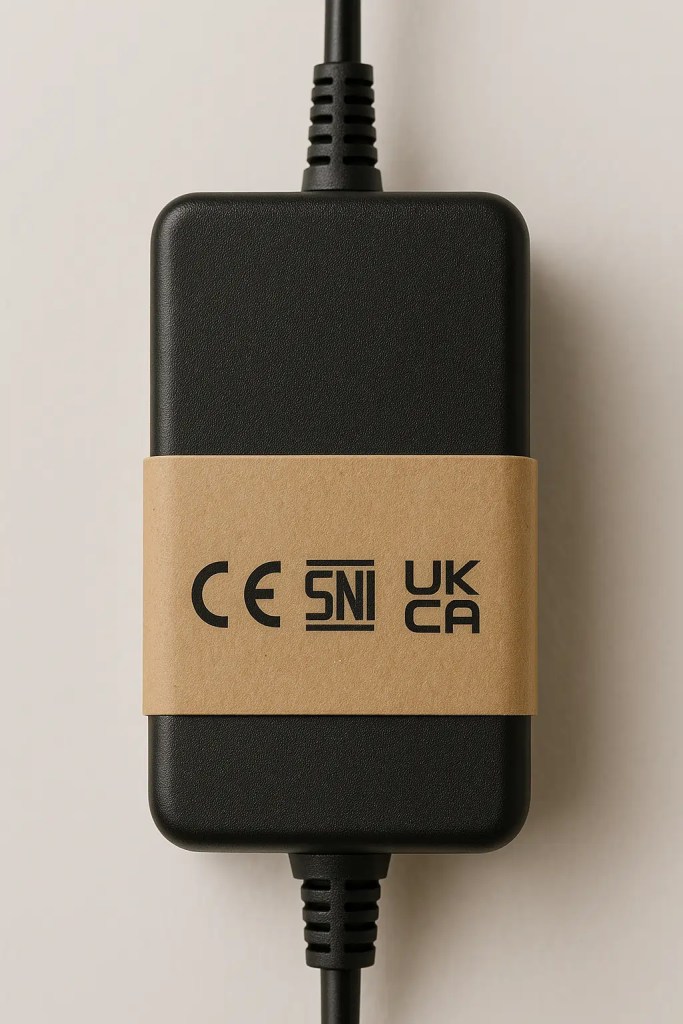
Before distribution or sale, all imported products must carry the approved SNI mark on their packaging or labels. Non-compliance with labeling regulations can result in penalties or restricted market access.
Emerhub can manage the entire process—from helping you secure your import license to obtaining SNI certification and ensuring proper labeling. With our local expertise, we can guide you through every step, avoiding costly delays and compliance issues.
Simplify Your SNI Certification and Product Compliance with Emerhub
Navigating Indonesia’s regulatory framework for SNI certification and product importation can be challenging, especially for foreign investors. Emerhub offers end-to-end support to ensure your seamless market entry:
- Importer of Record Services – This enables you to import your products immediately without needing to secure all licenses. Our experts will handle all import-related processes, including customs clearance and documentation.
- Product Holder Services– Acts as your local entity, fulfilling regulatory requirements without you needing to establish a company.
- Certification Process Management– Manage the entire SNI certification process, from mandatory document filing and submission to securing the SNI mark.
- Ongoing Compliance Support– Ensure continued adherence to Indonesian regulations post-certification including all licensing renewals.
Ready to import, distribute, or sell your products to Indonesia? Fill out the form below and we will put you in touch with one of our local experts.