Health Ministry Shuts Down Unlicensed Foreign-Owned Beauty Clinic in Bali
Indonesia's Health Ministry has shut down PRIME Skin Clinic in Bali, an unlicensed foreign-owned beauty clinic operating with no facility permit, illegal foreign staff, and unregistered products. Here is what the case means for everyone in the wellness and aesthetics sector.

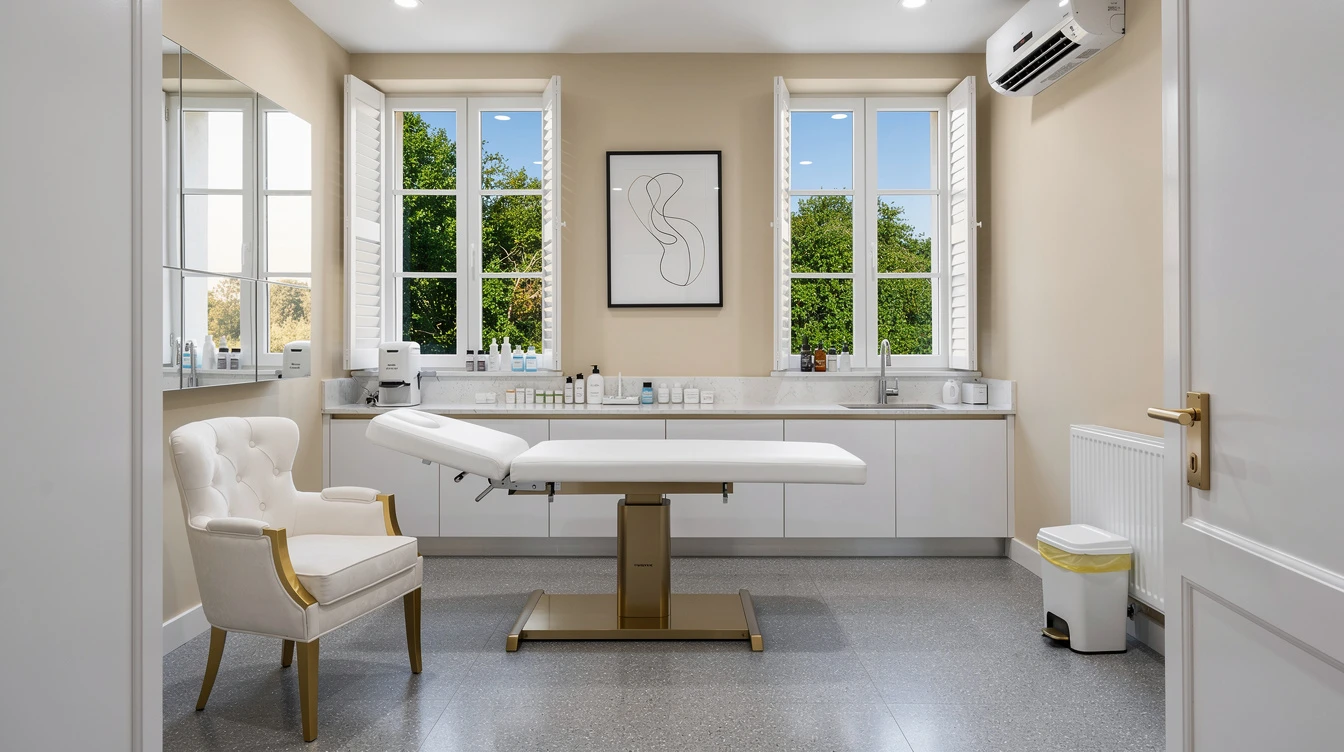
The Indonesian government has permanently closed an unlicensed medical aesthetics clinic in Bali that was operating without a facility licence and staffing treatments with foreign practitioners who had no right to practise. The Ministry of Health announced the closure of PRIME Skin Clinic, formerly Elasto Beauty, in Kuta Utara, Badung, on 16 June 2026.
The closure is the latest in a widening enforcement push across Bali, and it extends that campaign into the island's healthcare and wellness sector for the first time.
What the investigation found
The closure was executed by the Badung government but led by the Ministry of Health, working with the Directorate General of Immigration, the Ministry of Manpower, the Ministry of Foreign Affairs, the Ministry of Home Affairs, state and military intelligence, and the Bali provincial and Badung district health offices. That lineup is far heavier than a routine inspection, and it points to a coordinated campaign rather than an isolated case.
The clinic committed three core violations.
First, it had no facility licence at all. It was never registered in the Ministry of Health's healthcare facility system and held none of the operating permits a medical clinic requires.
Second, it employed foreign medical staff illegally. The practitioners, nationals of Russia and Armenia, were treating patients without an Indonesian registration certificate (Surat Tanda Registrasi, STR) or practice licence (Surat Izin Praktik, SIP).
Third, it used unregistered products and devices. The injectables, drugs, and machinery it used lacked the distribution approval (Izin Edar) that Indonesian regulators require, which the Ministry singled out as a direct risk to patients.
What the case means for clinic and wellness operators
The three violations together map out the compliance chain that any medical aesthetics business in Bali has to satisfy. For operators already in the market, or investors planning to enter it, here is what each layer requires.
1. The right company structure and clinic class
A medical aesthetics clinic, one offering injectables, IV therapy, or clinical-grade lasers, is a medical facility, not a salon. Under Permenkes 14/2021, a foreign-owned (PMA) clinic must be set up as a Klinik Utama, the class that provides specialist medical services, not a Klinik Pratama. Licensing for PMA clinics is handled centrally by the Ministry of Health rather than at the regency level. So the company has to be structured for this from the start, with the correct KBLI for private clinic activity.
2. The facility license
Beyond the company, the clinic itself must be registered in the Ministry of Health's facility system and hold its operating licence. Private clinic activity is a medium-high risk activity in the OSS system, which means a verified Standard Certificate: the authorities check that the premises, equipment, and staffing meet the standard before the license issues.
An unregistered facility is illegal regardless of who owns or staffs it.
Licensed practitioners, with stricter rules for foreigners
Every practitioner needs a valid STR and SIP. For foreign medical staff, the bar is higher again. Under Law No. 17 of 2023 and GR 28/2024, foreign personnel are generally limited to specialists and sub-specialists, must pass a competency evaluation, need the correct work permit, and cannot run a private practice.
Similarly, a foreign doctor working on an investor visa or a standard corporate KITAS is not authorized to perform procedures. For aesthetic treatments specifically, the responsible doctor must also hold the relevant expertise certification.
Registered products and devices
Every injectable, medicine, and device used in treatments needs BPOM or Ministry distribution approval (Izin Edar). If you import equipment or products, they must be registered before use, and you generally cannot import a medical device yourself unless it is approved and registered.
Your KBLI must match your actual treatments
This is one of the most common mistakes we have seen in Bali. Some operators register under a low-risk salon or non-medical spa code to avoid the health-ministry verification that a clinic triggers, then perform medical procedures anyway.
With the OSS system now cross-checking activity against licensing, a mismatch between your KBLI and what you actually do on the ground is grounds to revoke your licence.
If you offer medical aesthetics, the KBLI has to say so, which means accepting the medium-high risk pathway and getting the appropriate licenses.
Why the enforcement is widening
This fits a clear pattern across Bali through 2025 and 2026, from the OSS block on low-risk foreign company registrations to the delisting of unlicensed accommodations from booking platforms. The clinic closure extends that into healthcare. The Ministry was explicit that part of the goal is protecting Bali's standing as a wellness tourism destination, which depends on the clinics serving visitors being properly licensed and safely run.
What to do if you operate in this space
A medical aesthetics clinic sits in the medium-high risk band, which keeps it open to foreign ownership in Bali, unlike the lower-risk activities the province has blocked. What it does not do is make the business simple. The difference between a compliant clinic and one at risk of closure is whether the full chain is in place: the right company and clinic class, the registered facility and its verified Standard Certificate, licensed practitioners with valid STR and SIP, and registered products.
If you already operate a clinic or spa, the safest step is to audit each of these now, before an inspection does it for you, with particular attention to whether your KBLI matches your actual treatments and whether every practitioner, foreign or local, is properly licensed.
Emerhub sets up and reviews medical and wellness businesses in Bali across the whole chain: the PMA company and clinic structure, the facility licensing, BPOM product registration, and the permits for local and foreign medical staff.
If you are planning a clinic or want your existing operation checked against the current rules, talk to our team and we will map exactly where you stand.
More news from Indonesia.
Adjacent regulatory shifts and government actions.
Affected by this in Indonesia?
A 30-minute call with the team that handles compliance in your market. We will talk through what this means for your structure and timeline.