FDA registration in the Philippines
The FDA regulates nearly every consumer product sold in the Philippines, and every registration needs a locally licensed holder. Emerhub's Manila team handles the License to Operate, the product certificate your category needs, and labeling compliance, and can hold the license for you, so you can reach the market without setting up a company first.



































Types of FDA certificates in the Philippines
FDA approval comes in two layers: the company holding the products needs a License to Operate, and each product then needs its own certificate. Which certificate depends on the product.
License to Operate
Before any product certificate can be issued, the company holding the products needs an FDA License to Operate as an importer, distributor, or manufacturer. Only a locally registered company can hold one: your own entity, or Emerhub's. Initial licenses run for two years.
License to Operate guideCertificate of Product Registration
The most common certificate. It covers processed food, food supplements, drugs, and household hazardous substances. Food registrations run for up to five years.
CPR guideCertificate of Product Notification
The notification route for cosmetics, following the ASEAN cosmetic directive. Valid for one year and renewable.
Cosmetic registration guideMedical Device Notification
For low-risk Class A medical devices, filed through the FDA's electronic notification portal.
Medical device guideMedical Device Registration
For Class B, C, and D devices, registered with the FDA's device center using the ASEAN dossier (CSDT).
CMDR guideProducts that need FDA approval
These are the categories we handle, and the certificate each one runs through.
Processed food & beverages
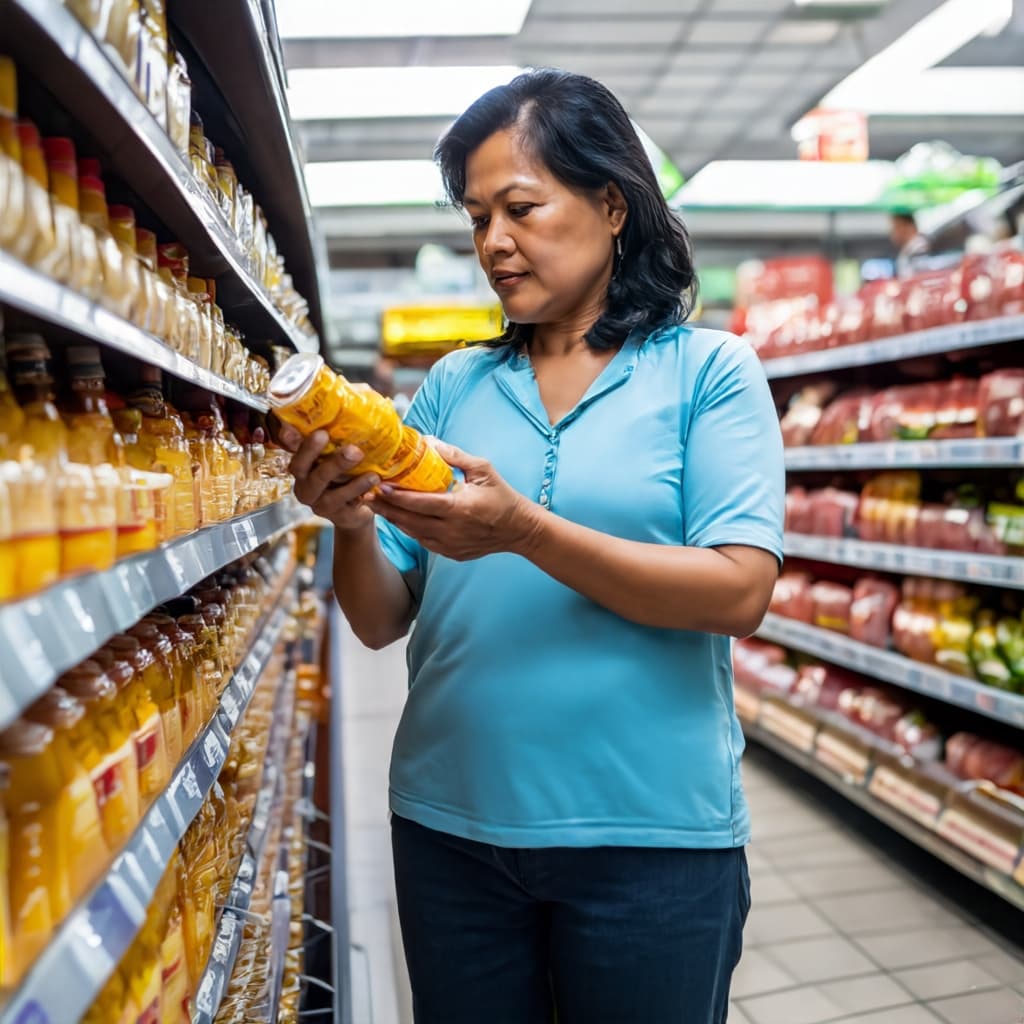
Packaged food, drinks, and food supplements, registered with the FDA for a Certificate of Product Registration. Food registrations can run for up to five years.

Cosmetics
Skincare, makeup, soaps, and toiletries, cleared through the FDA's cosmetic notification under the ASEAN cosmetic directive.

Drugs & pharmaceuticals
Over-the-counter and prescription medicines, registered with the FDA with proof of the manufacturer's GMP compliance.

Medical devices
Classified A to D, notified or registered through the FDA's device center using the ASEAN submission dossier (CSDT).

Household hazardous substances
Cleaners, detergents, and similar household chemicals, registered with the FDA as household or urban hazardous substances (HUHS).

Toys & childcare articles
Products for children under 14, registered through the FDA's device center, with safety and labeling standards to meet.
Every product needs a licensed holder in the Philippines
Only a company registered in the Philippines, holding an FDA License to Operate, can hold a product registration. There are three options for who that company is, and we handle all of them.
Register under your own entity
You set up, or already run, a Philippine company, obtain the FDA License to Operate as an importer or distributor, and hold your product certificates yourself. Full control and direct ownership of every registration.
Emerhub as your product holder
Emerhub's licensed local entity holds the License to Operate and registers your products under its certificates, so you can sell without setting up a company. Faster to reach the market, and lighter to maintain.
Appoint an exclusive distributor
If you go to market through a single distributor in the Philippines, they can hold the License to Operate and the registrations. The simplest route, though it ties your registrations to that one partner.
Not sure which fits? Tell us your product and your plans for the Philippines, and we'll recommend the route that makes sense.
Why companies register through Emerhub
We hold licenses ourselves, and we stay on after the certificate is issued.
On-the-ground FDA experience
A Manila team that deals with FDA officers, inspections, and queries every week, keeping your application moving.
We can be your product holder
Register and sell without a local company. Emerhub holds the License to Operate, giving you a legal route to market fast.
Your authorized representative
For medical devices, we act as the local authorized representative the FDA requires for an overseas manufacturer.
Ongoing compliance
Labeling and packaging compliance, variations, and renewals before they lapse, since the FDA cancels a license not renewed within 120 days.
Securing your FDA registration
Whichever certificate your product needs, the path runs through the same four steps.
Classify & choose your route
- We confirm the product category and which FDA certificate applies.
- We agree whether you register under your own entity or with Emerhub as holder.
Secure the License to Operate
- Only a locally registered company can hold the LTO, so this comes first.
- We obtain the FDA License to Operate as importer or distributor.
Submit through the FDA ePortal
- We compile the dossier and manage every submission through the FDA's ePortal.
- For devices, we prepare the ASEAN Common Submission Dossier the FDA requires.
Evaluation, certificate & renewals
- The FDA evaluates the product and may inspect the facility; we coordinate and respond.
- You receive the certificate (CPR, CPN, or CMDR), and we handle renewals and labeling from there.
Product registration FAQs
What companies ask most often before registering with the FDA in the Philippines.
Can a foreign company register products with the FDA directly?
Not directly. Only a company registered in the Philippines, holding an FDA License to Operate, can hold a product registration. You can register under your own Philippine entity, or Emerhub can act as your product holder, so you can sell without setting one up.
Should I register under my own entity or use Emerhub as product holder?
It depends on your plans. If you're committing to the Philippines long term and want to own your registrations, registering under your own company makes sense. If you're testing the market, launching a single product, or want to sell before setting up an entity, having Emerhub hold the License to Operate is faster and lighter. We'll help you decide which fits.
What is the difference between a CPR, CPN, and CMDR?
They are the FDA certificates for different product types. A Certificate of Product Registration (CPR) covers food, supplements, drugs, and household hazardous substances. A Certificate of Product Notification (CPN) covers cosmetics. Medical devices get a notification (CMDN) for low-risk Class A, or a registration (CMDR) for Class B to D.
Is halal certification required in the Philippines?
No. For the domestic market, halal certification in the Philippines is voluntary under the Philippine Halal Export Development and Promotion Act. It is only required for products labeled and sold as halal for export. This is different from Indonesia, where halal certification is mandatory for most consumer products. In Malaysia it is also voluntary apart from meat and animal products. We can arrange voluntary certification if you are targeting Muslim consumers or export markets.
How long does FDA registration take?
It depends on the product class and how complete your documentation is. The License to Operate usually takes one to three months, and the product certificate follows. Once issued, food registrations can run for up to five years, while cosmetic notifications last one year. We give you a realistic timeline once we've classified your product.
Do I need FDA approval to sell online?
Yes. The requirement attaches to the product, not the sales channel. Selling through marketplaces or your own site still needs a licensed holder and the right certificate, and the FDA publishes public advisories against unregistered products sold online.
What happens if the FDA rejects the application, or the license lapses?
We handle the response. We address the FDA's queries, correct or supplement the dossier, and resubmit. We also track renewals carefully, since the FDA cancels a license that is not renewed within 120 days of expiry.
Talk to our Manila team
Tell us what you're selling and which markets you're targeting. We'll confirm the category, the route, and a realistic timeline.
2 26th St, Taguig
1634 Metro Manila, Philippines