
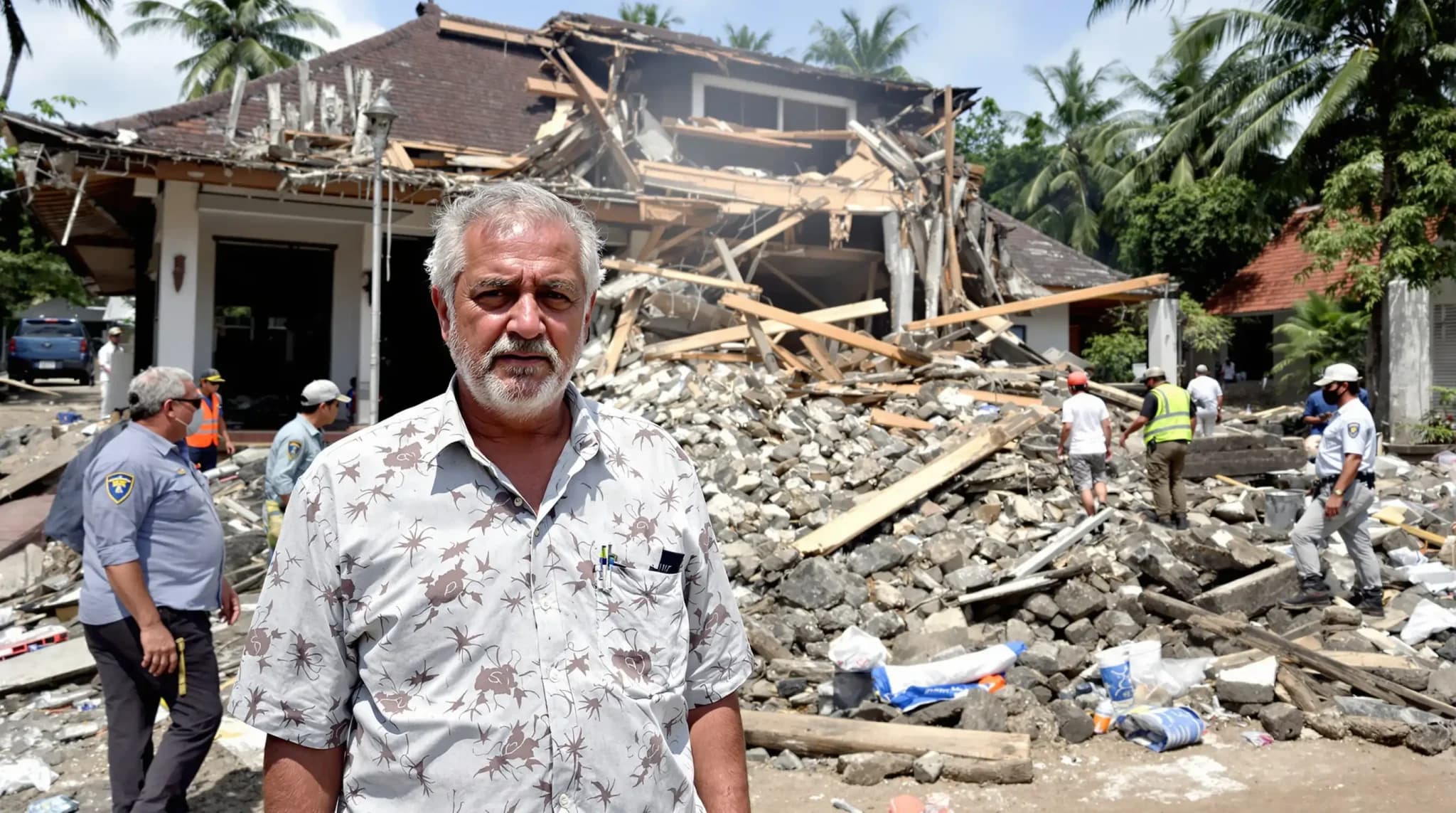
As land values in Indonesia's hotspots like Bali and Lombok continue to rise, the government is taking active steps to prevent speculative landholding. A key part of this effort is Government Regulation No. 20 of 2021, which governs the control and reclamation of "abandoned land" (Tanah Telantar).
For any foreign investor holding land rights like a Right to Build (HGB) or Right to Use (Hak Pakai), this regulation establishes a clear legal framework for the government to revoke your rights if it deems your land is sitting idle for too long.
This guide breaks down what abandoned land means, how the enforcement process works, and the steps you can take to protect your investment.
What is Abandoned Land According to the Law?
Under Government Regulation No. 20 of 2021 (PP No. 20/2021), if you hold a formal land right such as Hak Milik, HGB (Right to Build) or Hak Pakai (Right to Use), but you do not use, manage, or maintain the land for its designated purpose without an acceptable reason (like force majeure), the state considers the land abandoned (Tanah Telantar).
The law outlines several specific conditions that can trigger this classification. For foreign investors, the most important criteria to understand are:
- Failure to Use Within a Specific Timeframe: This is the most common trigger. According to Article 10, the state considers land under a Right to Build (HGB) or Right to Use abandoned if the title holder fails to develop or use it within two years of receiving the title.
- Use Contradicts the Title's Purpose: The land is not being used in accordance with the purpose stated in the title or permit. For example, if you hold an HGB title for a factory but the land remains vacant, it is not fulfilling its designated purpose.
- Occupation by Another Party: The law considers land held under a Freehold (Hak Milik) title abandoned if another party has controlled it for 20 consecutive years without any legal agreement with the official rights holder, especially if it has become an illegal settlement.
Simply put: if your land sits idle for too long, the government can legally take it back.
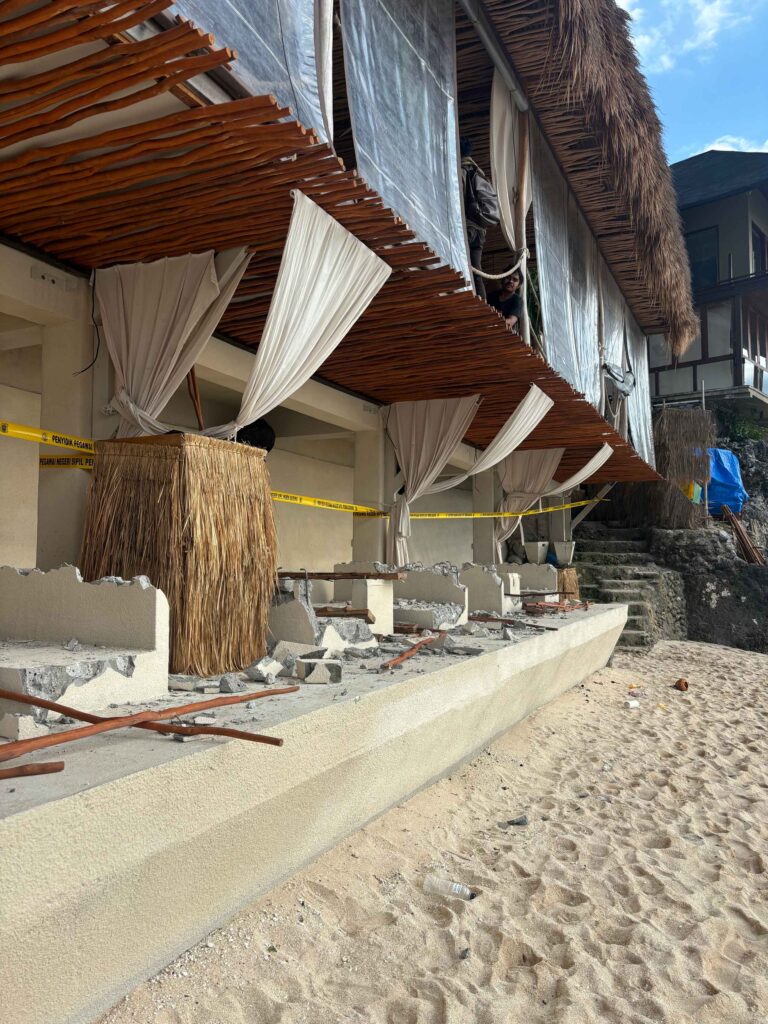
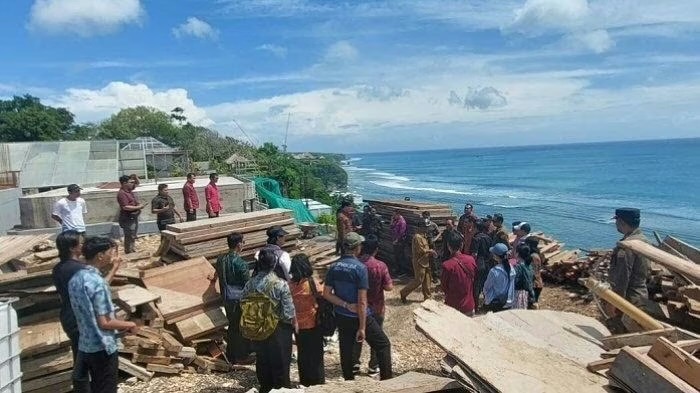
The recent demolitions at Bingin Beach, involving illegal settlements on state land, serve as a powerful example of this stricter approach. It signals the Indonesian government's increased seriousness in enforcing all land use and ownership laws.


What Happens When Your Land is Classified as Abandoned (The Process)
The government's process for reclaiming land is sequential and begins with a warning, giving you an opportunity to comply.
1. Inspection & Identification
The National Land Agency (BPN) identifies land that appears to be unused. The Provincial Land Office (Kantor Wilayah) forms an evaluation committee. This committee investigates the land's physical and legal status by reviewing all documents and conducting site inspections.
2. Notice (Pemberitahuan):
If the evaluation concludes that you have intentionally left the land idle, Kantor Wilayah will send you a Pemberitahuan. This notice gives you 180 calendar days to start using or maintaining the land.
During this notice window you must file progress reports every 30 days. BPN then evaluates results at the end of the notice period.
3. Warning Letters Issued (Peringatan I, II, III)
If, after notice, the land still remains idle, the Provincial Land Office will issue a series of three written warnings, instructing to begin using the land:
- First Warning: You get 90 days to comply.
- Second Warning: If there is no compliance, you get another 45 days.
- Third and Final Warning: You get final 30 days to comply
During the warning phase, BPN requires bi-weekly progress reports and conducts a field check at the end of Warning III.
4. Proposal and Ministerial Decision.
After Warning III lapses without adequate action, Kantor Wilayah prepares a proposal for a Ministerial Decision declaring the land abandoned and deleting the right.
Once Kantor Wilayah propose your case, the law freezes all legal acts on the parcel. This means you cannot transfer, split/merge, apply for renewals, or use the land until the Minister issues a decision.
The Minister’s decision can revoke all of the right, or only the idle portion.
5. Cancellation of Certificates
Once the Minister issues the decision, the district land office will withdraw and cancel the certificate and publish a notice (newspaper or on-site signage) within 30 days.
You then have 30 days from the decision to vacate all objects on the land. If you don’t do that, those objects also become abandoned assets.
Finally, the state affirms the land as its own and can allocate it to Bank Tanah or TCUN.
Assessing Your Risk: Scenarios for Foreign Investors
Your level of risk under this regulation depends on two factors: the type of land title you hold and how actively you are using the property.
For example, a PT PMA holding a Right to Build (HGB) for a villa project that shows no construction activity after three years is at a high risk of revocation. Similarly, a foreigner holding a Right to Use (Hak Pakai) for a villa who doesn't live there or actively maintain the property is at medium risk.
The table below provides a general framework for assessing your risk and the recommended actions to take:
| Category | Risk Level | Recommendation |
|---|---|---|
| Vacant Land (No structure) | High Risk | Begin construction or at least preparatory work like landscaping and fencing. |
| Undeveloped HGB Land (e.g., for a villa project) | Very High Risk | Show a clear and documented development plan or provide evidence of force majeure if delayed. |
| Personal Hak Pakai Villa (Unoccupied) | Medium Risk | Actively maintain the property, keep utilities connected, and document any periods of usage. |
| Properly Used/Resided Land | Low Risk | Keep your usage well-documented and ensure all permits are active. |
What Can You Do to Protect Your Land?
As a foreign rights holder, the burden of proof is on you to demonstrate active use or intent to use. Here are some of the steps you can take to protect your land:
- Start Building or Landscaping: The clearest evidence of use is development. If construction isn't immediately possible, begin preparatory work like building a fence, clearing the land, or landscaping.
- Renew and Maintain All Permits: Ensure your building permits (PBG, formerly IMB) and certificates of proper function (SLF) are always valid and up-to-date. Expired permits are a major red flag for authorities.
- Document All Activity: Keep a thorough record of your land usage. This includes photos of any progress, receipts for maintenance or construction work, and copies of all permits and tax payments. This documentation is your primary evidence if your land is ever evaluated.
- Appoint a Local Compliance Monitor: Engage a trusted local notary (PPAT) or a professional firm like Emerhub to regularly monitor your property's compliance status and handle any necessary local administrative tasks.
- Use the Sentuh Tanahku App: Indonesia’s National Land Agency has a mobile app called Sentuh Tanahku ("Touch My Land"). Use it to regularly check your land title status. You will likely see a status change in the app if your land comes under review, giving you an early warning to take action.
In case you have not purchased your property yet, it is strongly recommended to conduct thorough due diligence before signing any contracts.
Refer to our article on property due diligence in Bali for more information.
How Emerhub Can Help With Your Property Investments in Bali
Protecting your land rights in Indonesia is an ongoing process of active management and compliance. This is where Emerhub's on-the-ground expertise becomes essential.
We provide the support you need at every stage, from conducting thorough due diligence before you buy to offering ongoing compliance services. This ensures your investment remains secure and actively managed in the eyes of the law.
If you hold land in Indonesia or are planning to invest, talk to our team. Fill out the form below to get in touch with our experts.
Frequently asked questions
Will I be compensated if the government revokes my land rights?
No. The regulation does not provide for compensation when the state revokes a land title due to neglect or non-use by the rights holder. According to Article 63, once the state declares the land abandoned, the former rights holder must vacate it, and any assets left behind on the land may become state assets.
What if my project is delayed for a legitimate reason?
The law makes an exception for force majeure events (like natural disasters or riots) once a relevant authority officially declares them. If legitimate business reasons delay your project, it's crucial that you maintain a clear, documented development plan and can demonstrate your ongoing intent to use the land.
Is the Sentuh Tanahku app an official way to receive government warnings?
The app is a valuable monitoring tool that can give you an early warning if your land's status changes. However, the BPN will deliver all official legal notifications, such as the three warning letters, through formal channels to the registered address of the rights holder.