Halal certification in Indonesia
Halal certification is now mandatory for most food, drink, cosmetics, and consumer goods sold in Indonesia, with a firm deadline of 17 October 2026 for imported products. We act as your local representative, check whether you qualify for the faster foreign-certificate route, and run the BPJPH process end to end.




































How halal certification works in Indonesia
Halal certification is mandatory for most products imported, distributed, or sold in Indonesia, under the Halal Product Assurance Law and Government Regulation 42 of 2024. Anything not certified has to be declared non-halal on the label. For imported food and drink, cosmetics, supplements, and several other categories, the deadline to comply is 17 October 2026.
A foreign company cannot file on its own, so the application goes through a local representative in Indonesia.
From there, three bodies handle it. BPJPH, the Halal Product Assurance Organizing Agency under the Ministry of Religious Affairs, issues the certificate. An LPH, a halal inspection agency such as LPPOM MUI, audits the product. The Indonesian Ulema Council, the MUI, issues the halal fatwa the certificate rests on, and the whole filing runs through BPJPH’s portal, SIHALAL.
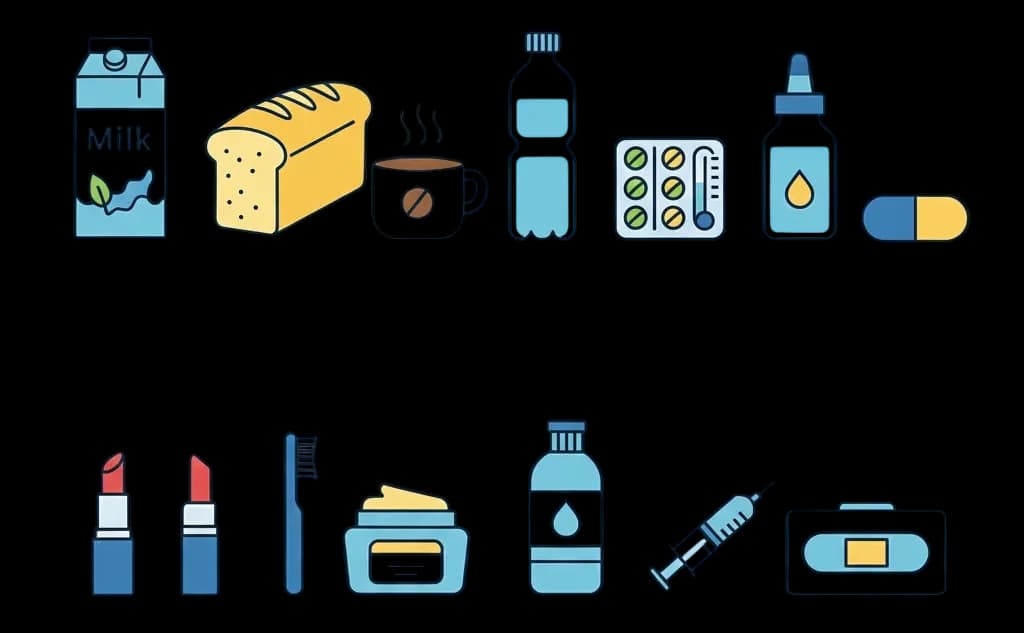
Products that need halal certification
Government Regulation 42/2024 takes the requirement well beyond food and drink, into cosmetics, medicines, chemicals, and the services that handle them.
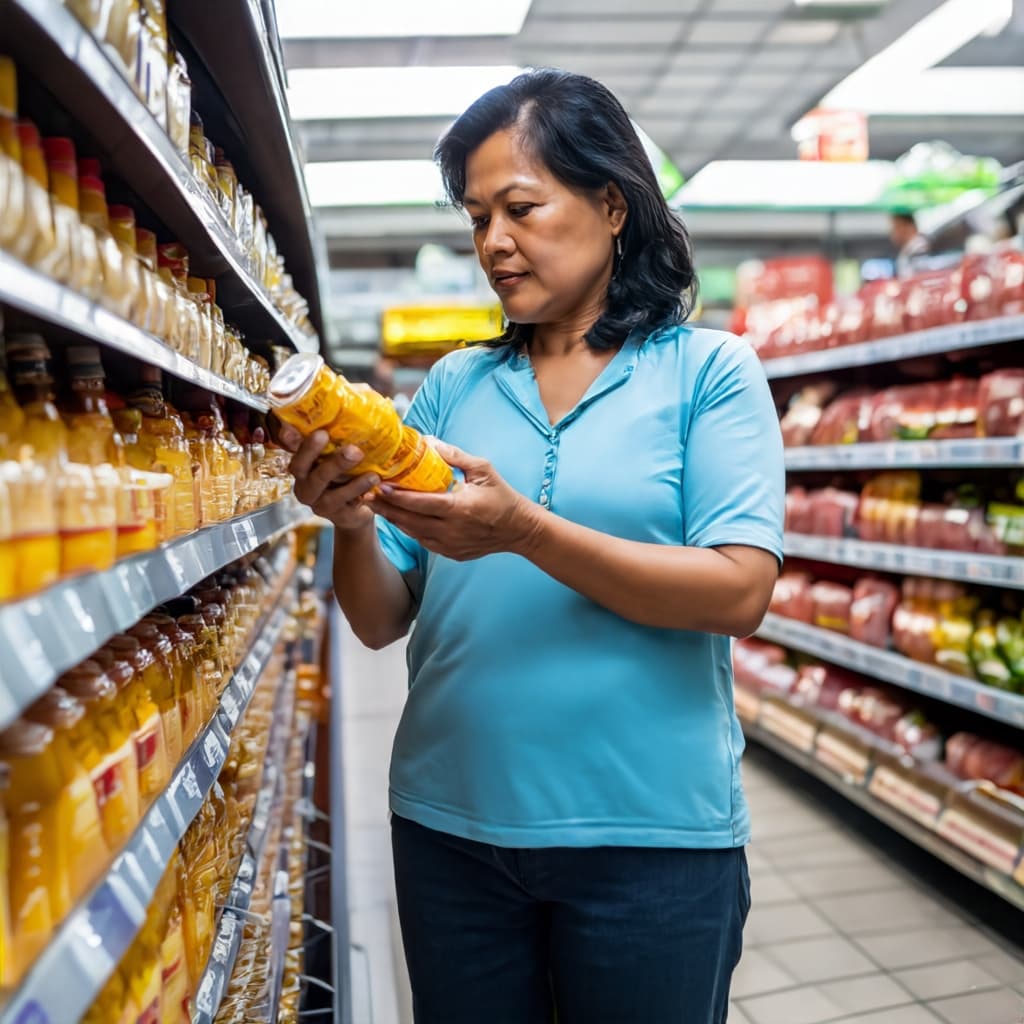
Food and beverages
Packaged food and drink, including raw materials, food additives, and processing aids.

Cosmetics and personal care
Make-up, skincare, and hygiene products applied to the body.

Pharmaceuticals
Over-the-counter and prescription drugs, traditional medicines, and health supplements.

Medical devices
Phased by risk class. Class A devices are due first, on 17 October 2026.
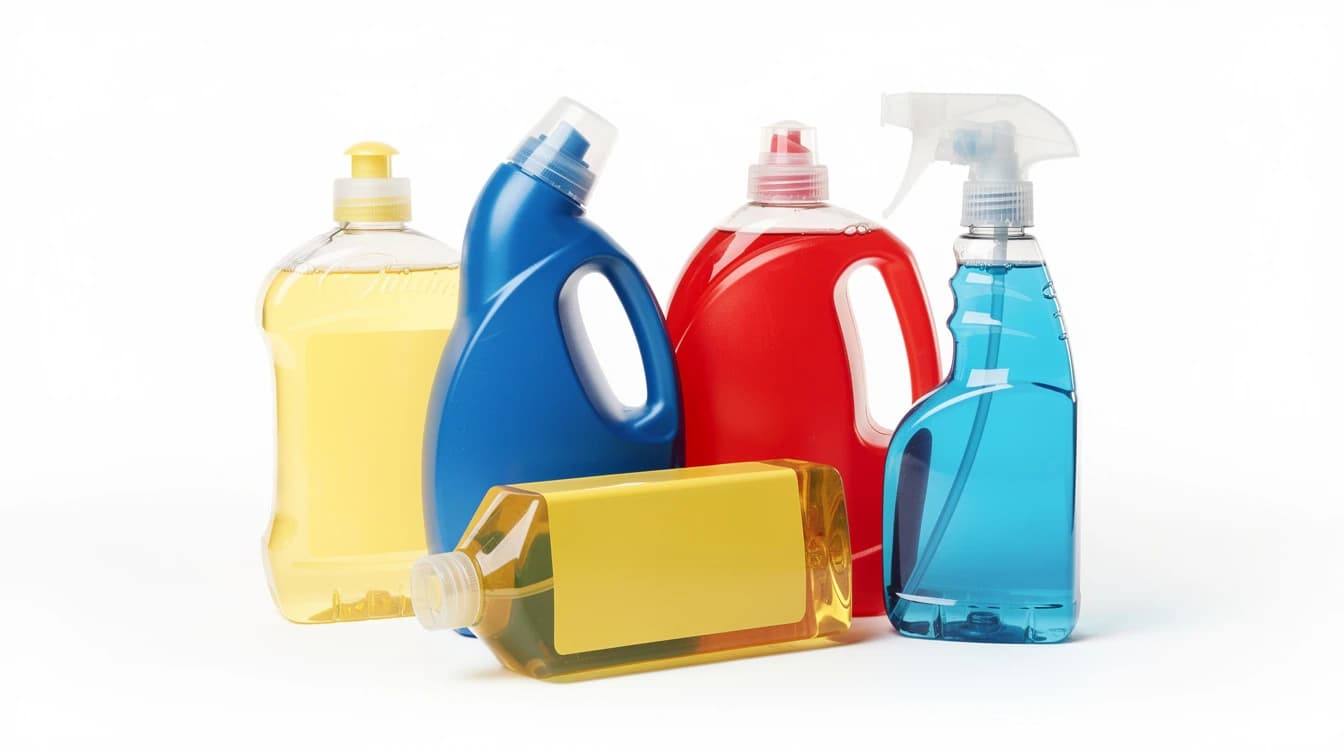
Chemical and biological products
Including chemical products used in manufacturing and genetically engineered ingredients.

Related services
Slaughtering, processing, storage, packaging, and distribution services.
Halal certification deadlines
The requirement is phased by product type and business size. Imported products and most consumer categories share the 17 October 2026 deadline.
| Products and businesses | Deadline |
|---|---|
| Medium and large food, beverage, and slaughter businesses | 17 October 2024 (in force) |
| MSME food and beverage, and all imported food and beverage | 17 October 2026 |
| Cosmetics, supplements, traditional medicine, chemical and biological products, and Class A medical devices | 17 October 2026 |
| Over-the-counter drugs and Class B medical devices | 17 October 2029 |
| Prescription drugs and Class C medical devices | 17 October 2034 |
Imported products fall under the 17 October 2026 deadline. After it, BPJPH begins active market supervision, and no further extension is expected. Full certification for a foreign product commonly runs three to six months once document legalization and the audit are counted, so a start in the first half of 2026 is already tight.
Full certification or foreign-certificate registration
Which route applies depends on whether your product already holds a halal certificate that BPJPH recognizes.
Full certification
The default route when no recognized foreign certificate exists. You build a halal assurance system and file through SIHALAL, an LPH audits the product, and the MUI issues a fatwa before BPJPH grants the certificate.
Foreign-certificate registration (SHLN)
If your certifier holds a mutual recognition agreement with BPJPH, you register that existing certificate instead of re-certifying. It runs in up to 30 working days rather than months. Processed foods and products with additives often still need extra documentation, so a recognized certificate shortens the process without removing the paperwork.
Is your halal certifier on BPJPH’s list?
SHLN is only open to certificates issued by foreign halal bodies BPJPH has recognized through a mutual recognition agreement. We mirror the live SIHALAL directory, with filters by country, scope, and status.
Browse the BPJPH-recognized foreign halal institutions to check whether your certifier qualifies for SHLN.
How we handle the certification
The full-certification path, and what we do at each stage.
Step 1 — Local representation and licensing
Foreign companies cannot apply directly, so we act as your local applicant and make sure your NIB and KBLI codes line up with halal requirements.
Step 2 — MRA and route check
We check whether your existing foreign halal certificate qualifies for the SHLN route, which replaces the full audit with a faster registration.
Step 3 — Halal assurance system
We build your halal assurance system, appoint a halal supervisor, and review your ingredients and process flowcharts against the standard before submission.
Step 4 — SIHALAL submission
We register and upload the full dossier on BPJPH’s SIHALAL portal and manage the technical filing.
Step 5 — LPH audit
A halal inspection agency audits your materials, process, and facility, with sampling and laboratory testing, in around 15 business days.
Step 6 — Fatwa and certificate
The MUI fatwa committee determines the halal status, usually within about three business days, and BPJPH issues your halal certificate and logo.
Non-halal products and labeling
Products made from non-halal materials are not banned, and they do not need certification. They must instead carry a clear non-halal statement on the label, so buyers are not misled. This covers alcoholic drinks, pork and dog products and their derivatives, and any product whose name or imagery refers to something prohibited in Islam.
Halal certification questions
What foreign brands ask most before the 2026 deadline.
What happens if I miss the compliance deadline?
After the deadline, BPJPH begins active market supervision. Non-compliant products can face written warnings, public notices, administrative fines, or being pulled from circulation in Indonesia.
Does a halal certificate expire?
Under Government Regulation 42/2024, the certificate stays valid for life as long as the ingredients and the halal production process do not change. Change a supplier, recipe, or process, and you must update or renew it. BPJPH has signaled it may tighten the lifespan of foreign certificates, so keep your documentation current.
Can I sell non-halal products such as alcohol?
Yes. Products made from non-halal materials are not prohibited, but they are exempt from certification and must carry a clear non-halal statement on the label. They cannot be presented as halal.
What is the Halal Assurance System (SJPH)?
It is the internal system a company maintains to keep its products halal, covering ingredient control, the production process, and a designated halal supervisor. A working SJPH is required before certification.
What is the difference between SHLN and full certification?
Full certification runs the complete LPH audit and MUI fatwa. SHLN registers an existing foreign halal certificate from a body that holds a mutual recognition agreement with BPJPH. It is a faster route, up to 30 working days, that skips the full national audit, though some categories still need extra documentation.
Can a foreign company apply for halal certification directly?
No. A foreign company appoints a local representative or importer in Indonesia to file and manage the certification on its behalf.
Who issues halal certificates in Indonesia?
BPJPH, the Halal Product Assurance Organizing Agency under the Ministry of Religious Affairs, issues the certificate. An LPH conducts the audit, and the MUI issues the halal fatwa that the certificate is based on.
Talk to our Indonesia team
Tell us your products and where they are made. Our Jakarta team acts as your local representative, checks whether you qualify for the SHLN fast track, and runs the BPJPH certification through to your halal certificate.
RT.7/RW.2, Kuningan
Jakarta 12950, Indonesia