Indonesia's Kartu Izin Tinggal Terbatas (KITAS), a Limited Stay Permit, is issued to foreigners allowing them to reside, work, and educate in Indonesia for a specific purpose.
But beware—the stakes are high for violating KITAS, resulting in severe penalties.
This guide will explain what a work stay permit in Indonesia is and how to prevent potential legal issues from violating KITAS regulations.
Understanding the KITAS in Indonesia: Long-Term Visas and Compliance
If you plan to live or work in Indonesia, you'll need a KITAS, a temporary residence permit card. This permit allows you to stay in Indonesia for up to 1 year and is necessary for various long-term visas, including those for work, retirement, and spouse/family visas. Extensions are possible up to 5 years.
IMPORTANT! It's crucial to understand that a KITAS is not a work visa and does not automatically grant permission to work in Indonesia. To work legally, you must obtain a work permit known as an IMTA. For example, two South Korean producers were deported from Bali for not meeting the immigration residency permit requirements and lacking the correct permits for foreign film production.
Remember, no matter your reason for staying—whether for business, film production, or any other purpose—it is essential to comply with all KITAS rules to avoid legal issues.
KITAS Violations in Indonesia
6 Common Violations to Avoid
Understanding KITAS rules can be tricky, and it’s easy to make mistakes if you're not fully aware of all the requirements. Here are some of the most frequent mistakes that might cause you legal consequences:
Overstaying your KITAS: You must renew your KITAS before it expires.
Working Outside Approved Role: You must only work in the role specified by your KITAS; taking a job not approved by your permit can lead to legal issues and violations.
Working with a Dependent KITAS: If you have a marriage-based KITAS and start a job, your employer needs to apply for an IMTA for you.
Remote Working KITAS and Running a Business: If you have a remote rorking KITAS but are running a business, you need to change your visa to a Work and Stay Permit that matches your working status.
Not Reporting a Change of Your Address: If you move to a new city, like from Jakarta to Bali, you must tell the immigration authorities.
Submitting Fake Documents: If you use fake documents to get your KITAS, like a fake degree, you could face criminal charges.
Penalties for Non-compliance with KITAS Regulations in Indonesia
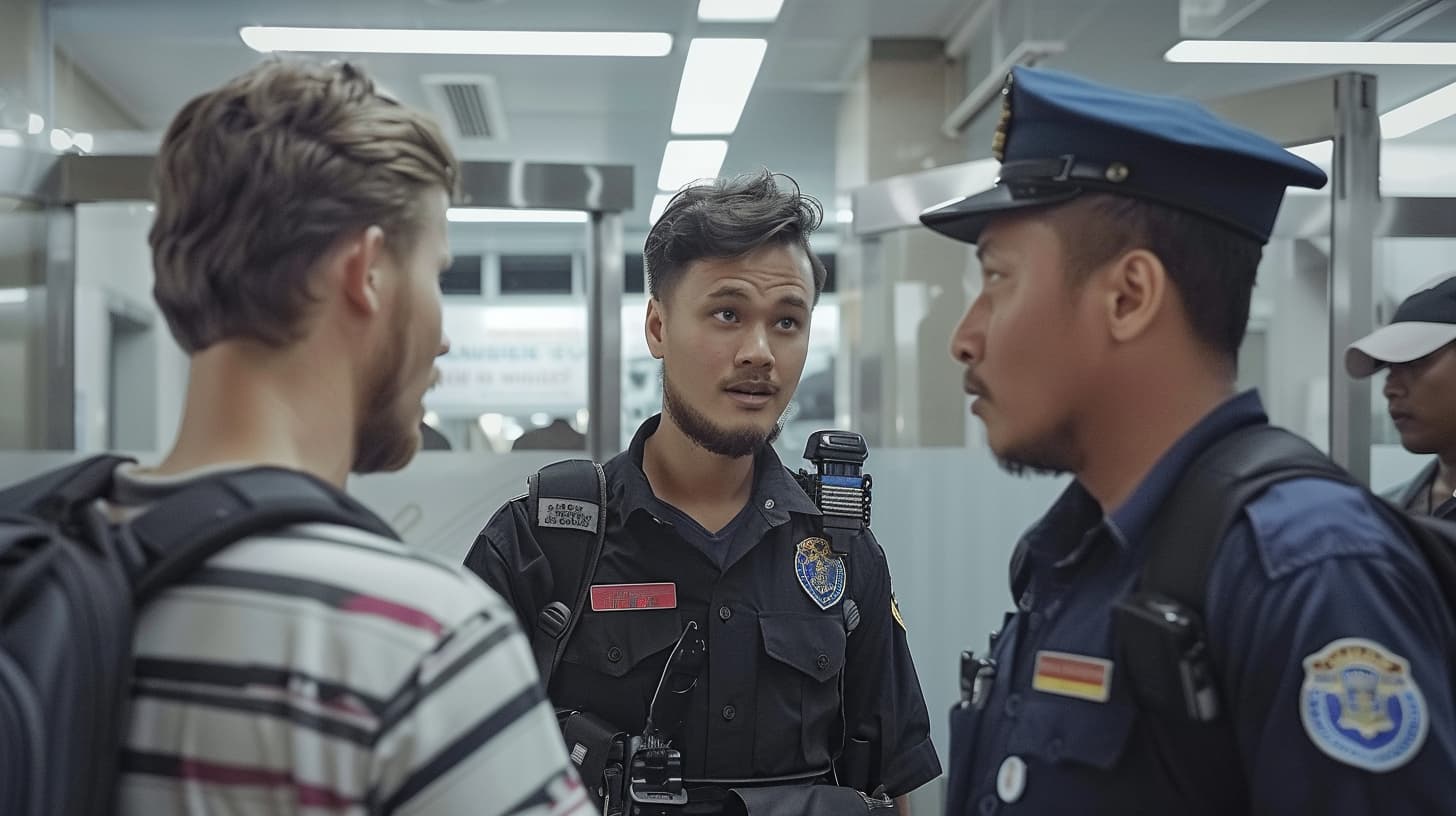
Breaking KITAS rules can lead to serious penalties. If Indonesian immigration suspects a violation, they will investigate to understand exactly what happened and how serious it is. After the investigation, they will notify you of the possible consequences including;
Deportation: If you work without authorization or stay beyond your permitted time, you might be deported and banned from returning to Indonesia.
Detainee Status: In cases where immediate deportation isn't possible, you might be held in an immigration detention center for up to 10 years.
Detention: For serious violations, you might be detained while legal actions are considered, which can include:
- Fines up to 500 million IDR.
- Imprisonment for up to 5 years.
Best Practices for KITAS Holders in Indonesia
The investigation process by immigration authorities is not only daunting but also complex, and the consequences of non-compliance can be severe. To avoid such stressful situations;
Follow All Immigration Regulations: You should keep up to date with all immigration regulations. This includes reporting any changes in employment, marital status, or address directly associated with your KITAS.
Consult With Experts: Immigration laws can be difficult to interpret. If you're ever in doubt about the requirements or need guidance on your specific situation, we advise you to consult with the immigration experts.
Preventing Legal Issues with Emerhub
Before any issues with your KITAS escalate to immigration authorities, consider reaching out to Emerhub. Our expertise in legal representation can help prevent severe penalties by resolving potential issues early on. Contact us to learn more using the form below.